

Digital tools have the ability to transform property tax systems throughout lower-income countries. However, many lower-income countries remain reliant on manual processes or highly imperfect digital systems. Existing digital systems often lack key functionality and cannot integrate effectively across government functions, and procurement has often resulted in overly costly systems, while lacking flexibility and adequate support.
LoGRI stepped into this space with a pragmatic, evidence-first agenda: to help governments choose and use fit-for-purpose digital systems and shape a market where suitable IT solutions actually exist.
LoGRI’s Two-Pronged Strategy
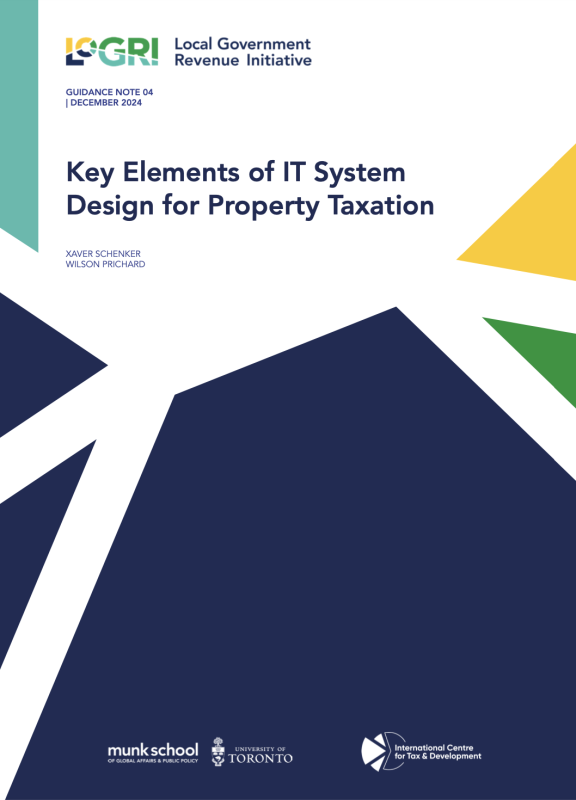
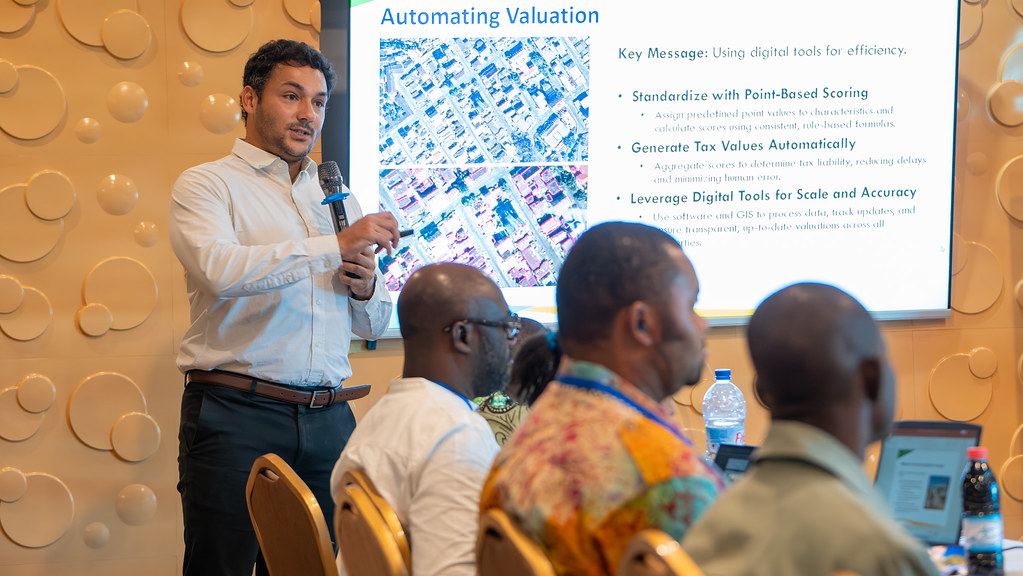
The first prong of LoGRI’s approach focused on improving government access to practical guidance about which features matter, what trade-offs exist, and how to ensure system interoperability and sustainability. To achieve this goal, LoGRI translates field learning into accessible public goods, most comprehensively in its Guidance Note, “Key Elements of IT System Design for Property Taxation” (Schenker and Prichard, 2024). LoGRI also produces timely, country-specific analyses, technical tools, and standard operating procedures to help ensure that practical, localized knowledge travels further and lands better with decision-makers. Alongside academic outputs, LoGRI actively advises governments on the design of digital systems to strengthen property tax administration and facilitate links to other key government functions.
Secondly, LoGRI worked with solution providers to shape a market that meets the realities of low-income administrations – supporting both a commercial, open platform and an open-source pathway – so countries can pick the system that best aligns with their needs and resources.
Mobilizing Commercial IT Solutions: Moptax
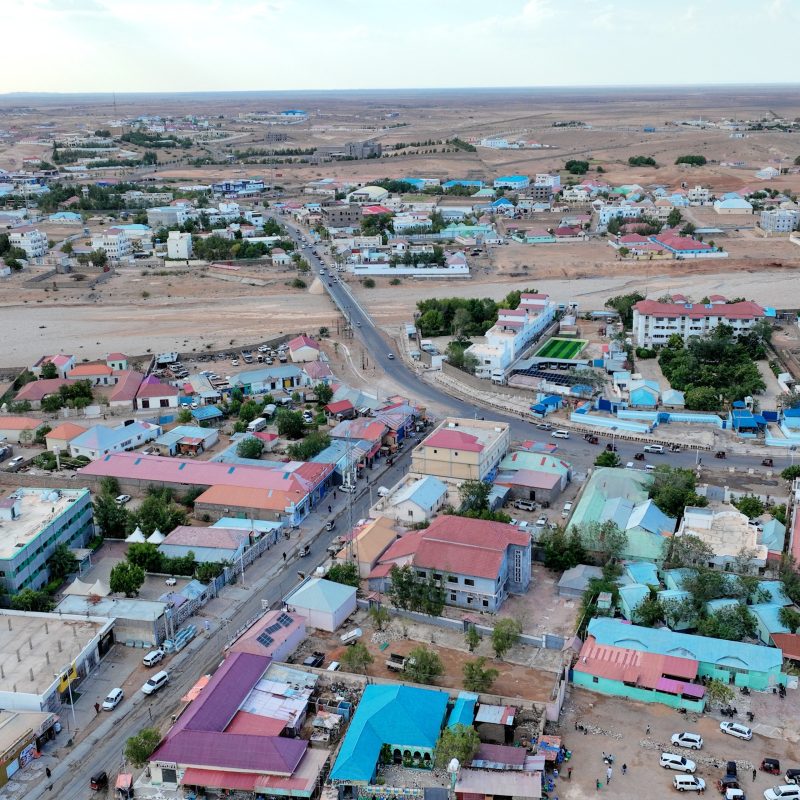
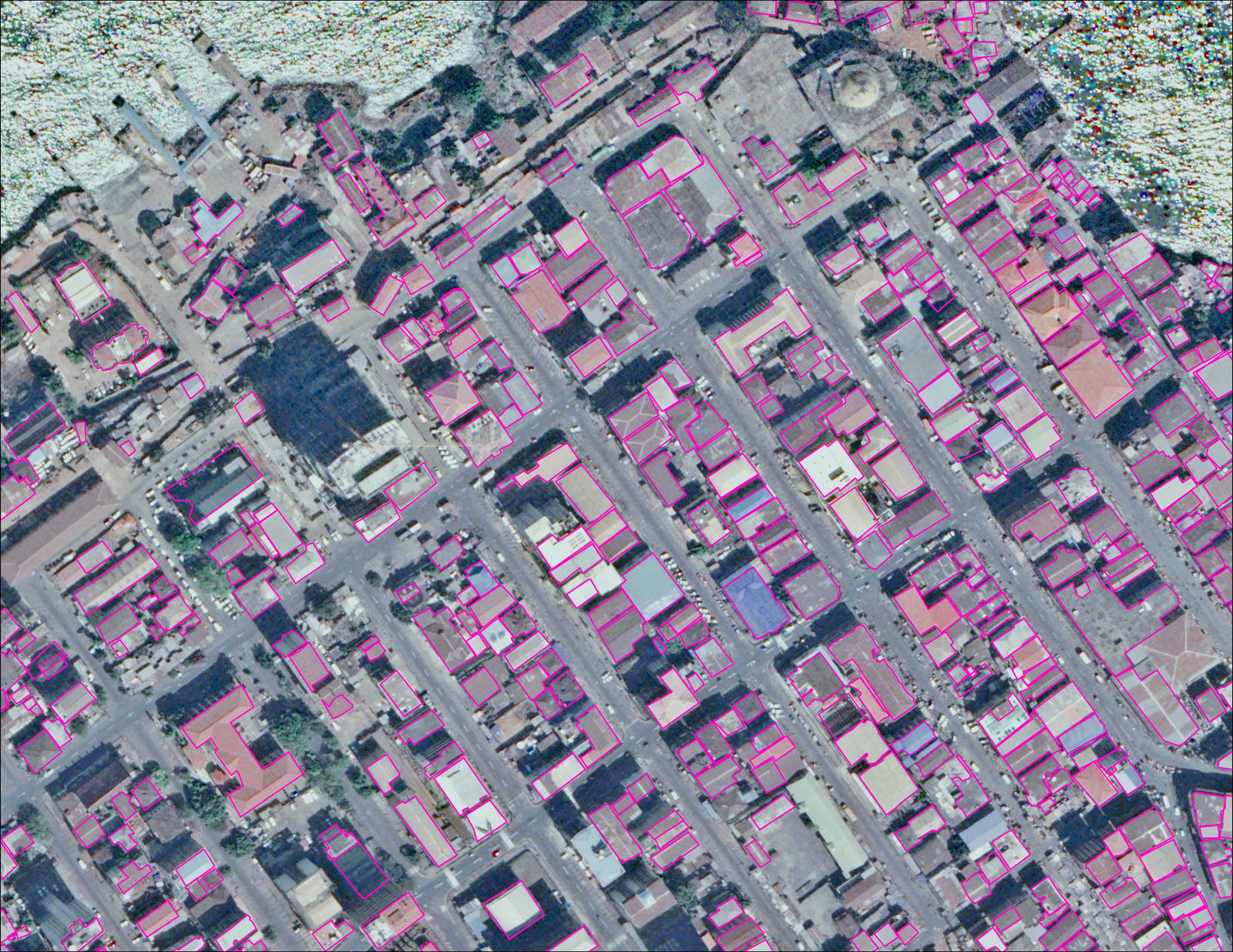
Co-developed with Baloosoft, Moptax is an end-to-end, modular digital property tax platform, built for long-term usability, affordability and sustainability in lower-income countries. An early Moptax prototype was first developed and deployed in Freetown, Sierra Leone, alongside wider property tax reforms in 2019. These developments helped expand Freetown’s property register and revenue potential, subsequently enabling national interest in the system. The reform model and digital system were then adopted by two other Sierra Leonean cities, Kenema and Makeni, and by Kananga, Democratic Republic of Congo.
Critically, Sierra Leone has since officially adopted the platform as its Municipal Property Tax System (MPTS SL), with plans for nationwide rollout on the horizon. The pathway from city-level pilots to national adoption demonstrates that when systems are designed around user capacity, open standards, and real-world constraints, digital reform is not only feasible, but transformational.
Re–Energizing the Open–Source Pathway: DIGIT
Although commercial off-the-shelf solutions can enable rapid digitalization gains, they can also encounter challenges with local ownership, sustainability, and interoperability. With those considerations in mind, LoGRI has worked with the eGovernment Foundation (eGov) to explore whether its open-source platform (DIGIT) could meet property tax requirements in resource-constrained contexts. Open-source platforms can provide tax administrations greater flexibility, lower recurrent costs, and ownership over the source code, making them an attractive alternative for reform-minded governments. While discussions with eGov are ongoing, LoGRI and eGov have developed a strategy to implement system upgrades to better meet the needs of effective property tax administration in a variety of African countries.
The Road Ahead
Through LoGRI’s two-pronged strategy, local governments across sub-Saharan Africa and South Asia have improved access to information on effective IT adoption and an expanded market for fit-for-purpose digital solutions.
LoGRI’s work ultimately shows that durable digitalization is not about technology alone; it’s about designing for capacity, local needs, and institutional realities, while building user trust. The next frontier – field-wide standards and broader partner adoption – can unlock network effects, reduce duplication, and accelerate reforms across countries.
Related Projects
Statut : Complété
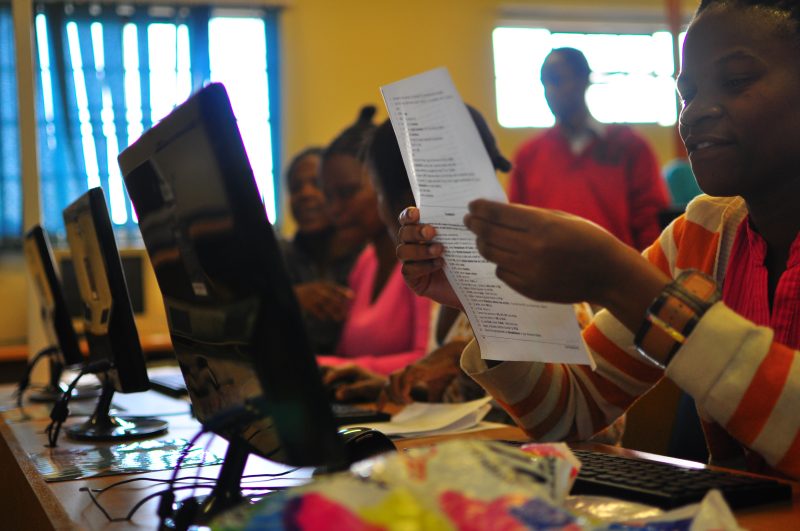
IT and Property Tax Reform in the Province of Kasaï Central, DRC
Pays :
 Democratic Republic of Congo

Statut : En cours
Freetown City Property Tax Reform
Pays :
 Sierra Leone

Statut : En cours
Kenema City Project
Pays :
Sierra Leone

Statut : Complété
Ethiopia Property Tax System Review
Pays :
 Ethiopia
Related Research

2026 mai
Pays :
Sierra Leone
2024 octobre
Pays :
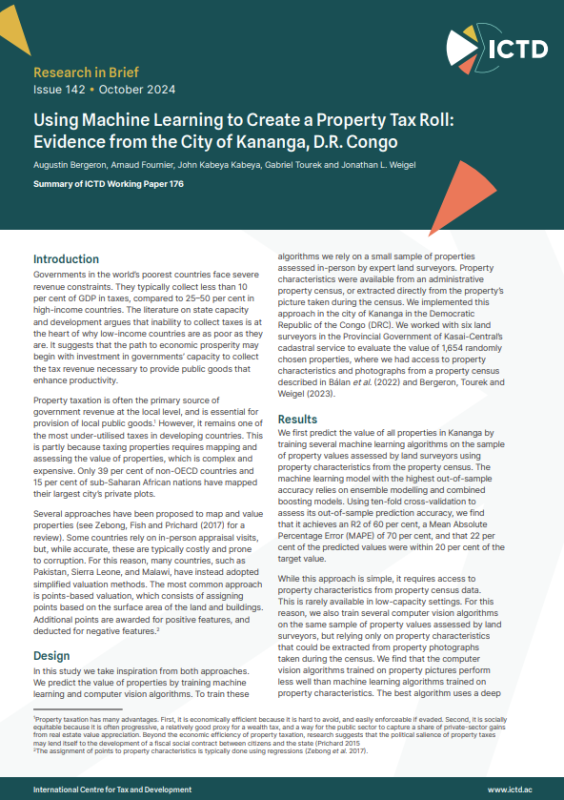
Democratic Republic of Congo