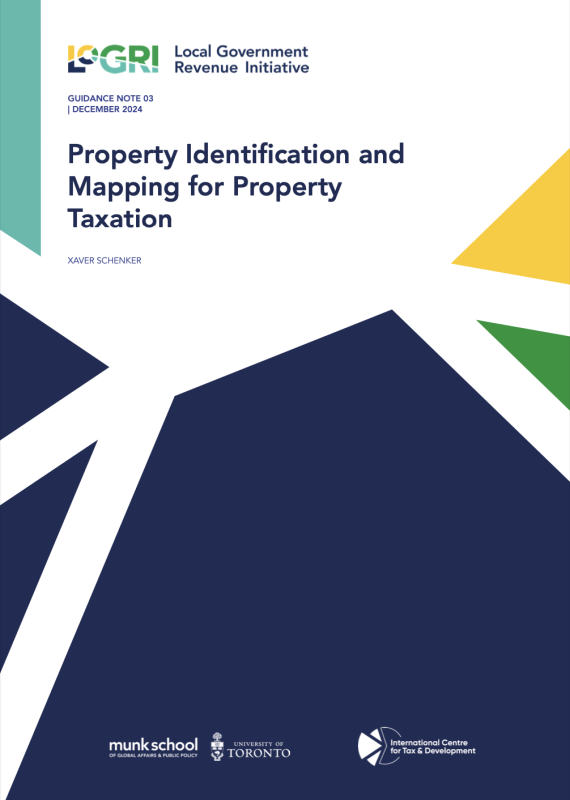

When LoGRI began engaging in Benin, the country’s property tax system was among the least effective in the region, capturing less than 10% of its potential. Fragmented data, outdated property registers, and valuation inconsistencies had eroded taxpayer trust and left municipalities without a reliable source of local revenue. LoGRI, in close collaboration with GIZ Benin, launched a comprehensive diagnostic assessment of Benin’s property tax system to assess these constraints and inform the development of potential solutions.
Understanding and Piloting Change
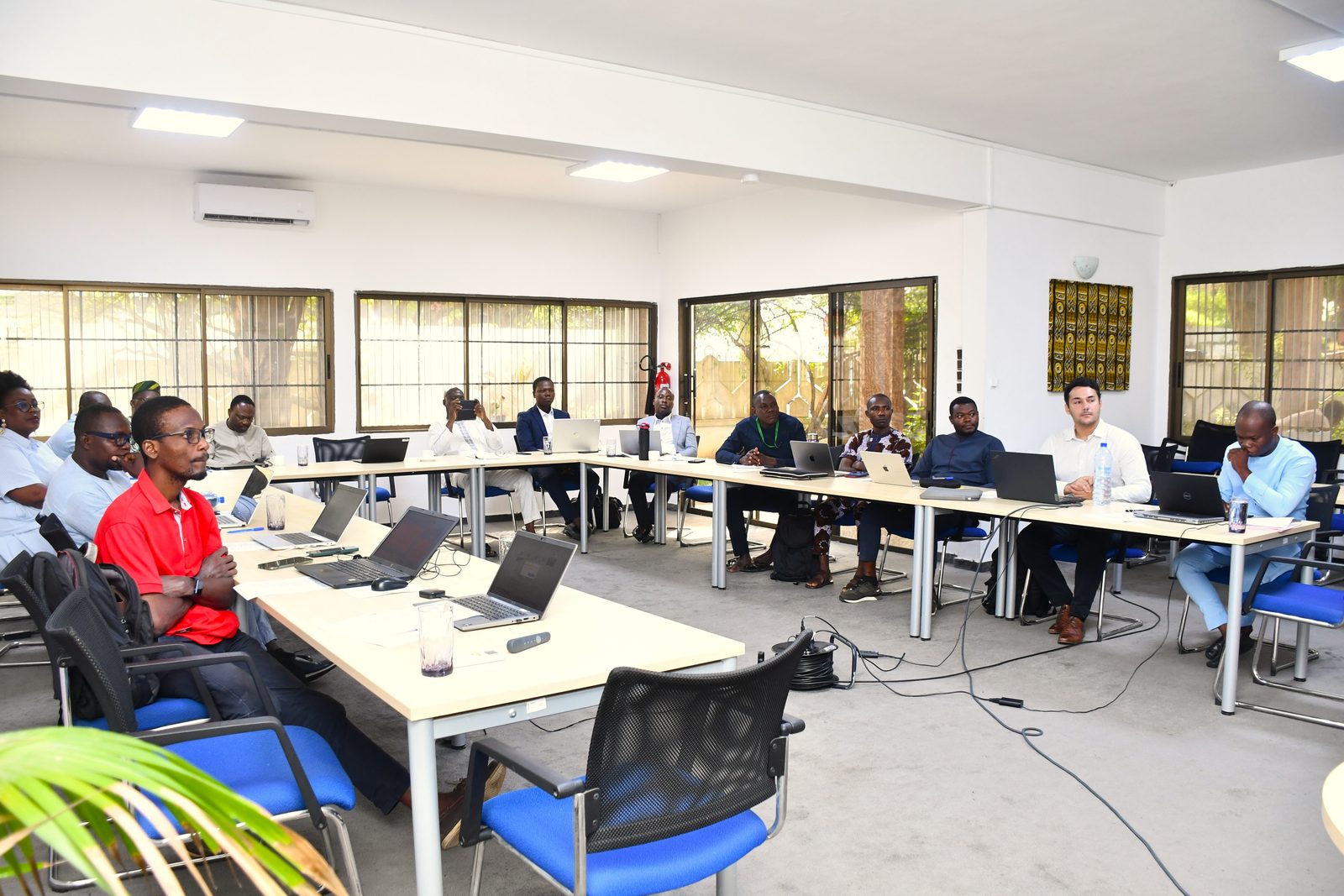
Completed in 2024, the findings from the diagnostic assessment were then presented to the Direction Générale des Impôts (DGI), offering a structured, evidence-based picture of weaknesses in property identification, valuation, and taxpayer communication. Alongside the diagnostic, LoGRI launched a GIS-based property mapping and points-based valuation pilot in Agblangandan, an arrondissement outside of the capital city, responding directly to the DGI’s own priority of improving property identification.
The pilot has generated meaningful interest within the administration in exploring more accurate and equitable valuation methods. Officials who were initially wary of change have come to see the value of a more rigorous yet practical approach – particularly those sensitive to concerns around investment incentives.
Growing Local Partnerships and Building Capacity
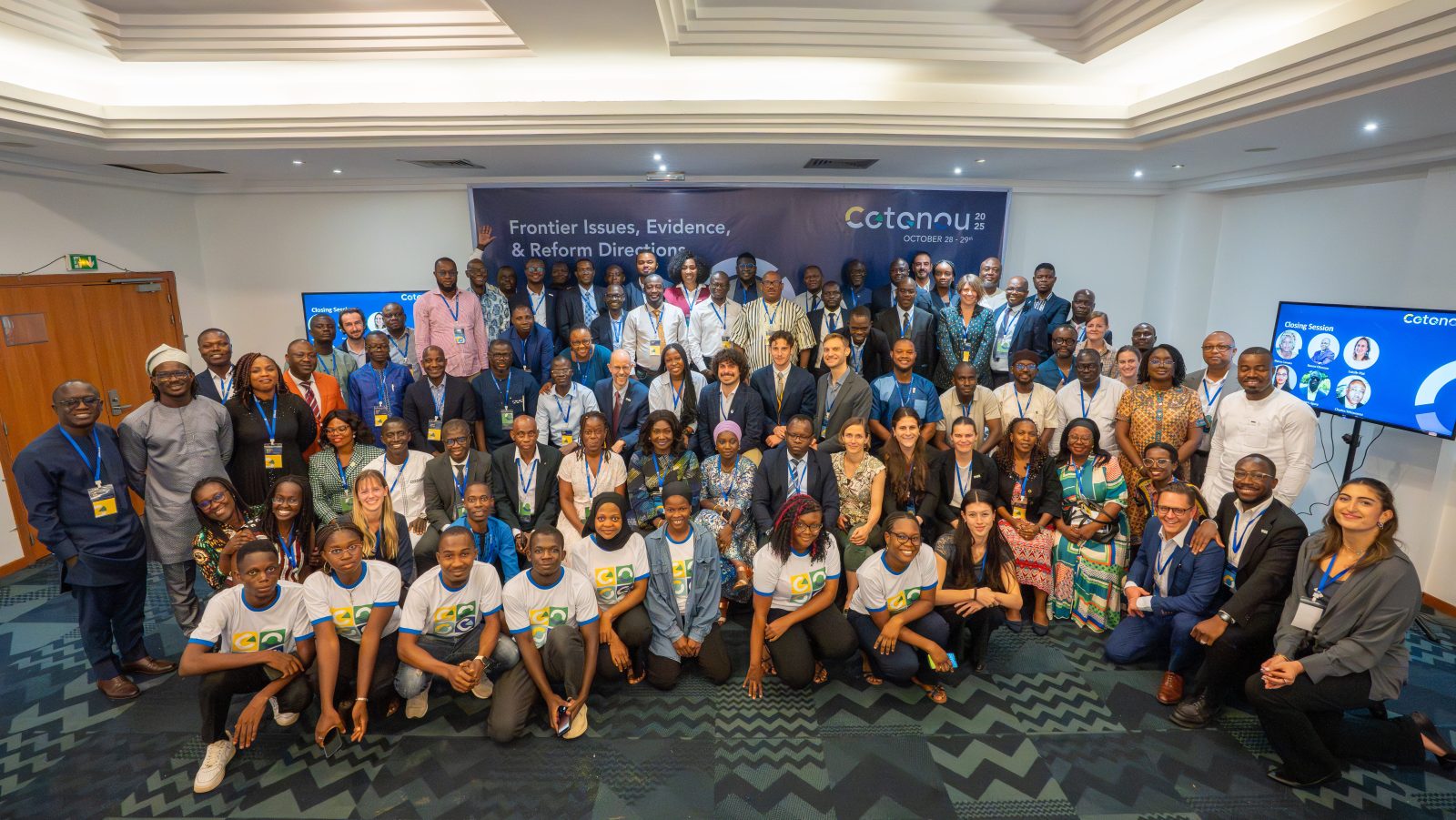
Sustainability, capacity building, and the co-creation of applied knowledge have also been key focuses of LoGRI’s continued engagement in Benin. LoGRI recently signed an MoU with the Benin-based Africa School of Economics (ASE). As a part of this agreement, LoGRI and ASE co-hosted an international property tax conference in Cotonou, Benin, in October 2025. The event deepened relationships with the DGI and ASE, showcased LoGRI’s capacity for cost-effective programming, and reinforced its position as a trusted partner in Benin’s reform journey. ASE students were also invited to participate in LoGRI’s capacity-building course, the Property Tax Development Program (PTDP), helping cultivate a skilled, local talent pipeline to support ongoing in-country reforms.
GIZ Benin has also proved an exceptionally strong implementation partner throughout, bringing local credibility, technical capacity, and logistical reach that significantly amplify LoGRI’s work.
A Promising Path Forward
The full impact of this work will take time to materialize, but the early signs are encouraging. Trust between LoGRI, GIZ Benin, and the DGI has deepened; openness to valuation reform is growing; and a clear pathway is emerging to scale GIS mapping and simplified valuation methods within the country. Where property tax reform once appeared stagnant, momentum is now building – and Benin’s administration is increasingly willing to test new approaches and engage seriously with the evidence. The story is not yet one of completed reform, but of real traction, renewed confidence, and the early architecture of lasting change.
Related Projects

Statut : Complété
Strengthening Local Revenue Mobilization: The DGI-Benin and LoGRI Collaborative Initiative for Property Tax Reform
Pays :
 Benin
Related Research


2026 juin
Pays :
Benin