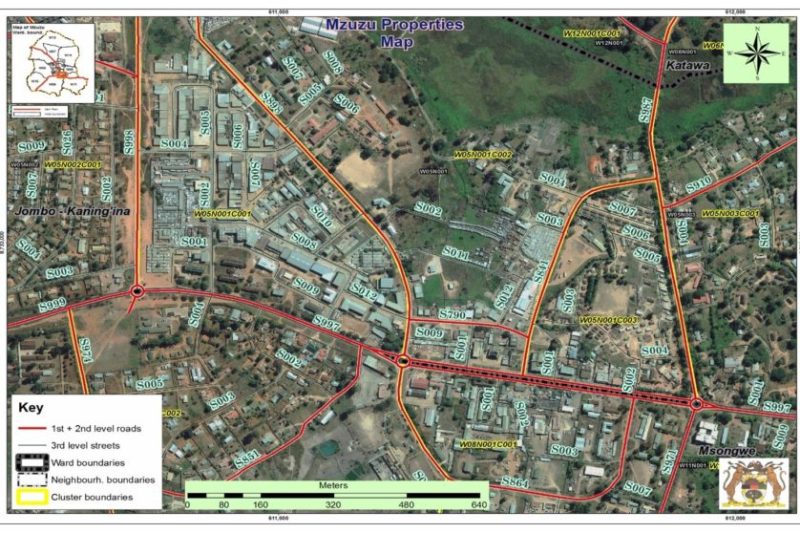


In Malawi, property taxation had become expensive, outdated, and widely perceived as unfair. In Lilongwe, Blantyre, Mzuzu, and Zomba, City Councils faced high valuation costs, incomplete property rolls, manual, error-prone systems, weak enforcement, and declining taxpayer trust. Through applied research, policy engagement, and a partnership with the Millennium Challenge Corporation (MCC), LoGRI helped reshape Malawi’s property tax reform agenda from the ground up.
Informing a Major Reform Program
The work began with a readiness assessment conducted across all four cities, combining technical analysis with stakeholder workshops. This participatory process fostered a sense of local ownership, while aligning reform priorities with each council’s unique context and constraints.
From this foundation, LoGRI also reviewed Malawi’s Property Valuation Act, which was passed in 2024 and created new oversight institutions (Commissioner, Board, Tribunal), standardized valuation procedures, and – critically – opened legal space for the introduction of simplified mass-valuation methods, reflecting LoGRI’s research insights. Together, these reforms laid the foundation for a more affordable, scalable property taxation system.
Recognizing that compliance depends on trust, LoGRI promoted earmarking a share of property tax revenue for visible local projects. Each council established a Public Service Fund, dedicating 11–18% of revenues to community-prioritized investments such as roads, lighting, and water access – with town hall consultations reinforcing transparency and accountability throughout the process.
Lasting Impact
LoGRI’s technical leadership helped shape MCC’s first-ever property tax reform program – a $24 million USD initiative, one of the largest of its kind in Africa. Councils also reported improved compliance linked to visible service delivery, enforcement adjustments, and taxpayer engagement. For instance, Blantyre observed strengthened waste services and reported revenue gains, and Lilongwe linked improved collections to town hall commitments. Similarly, Zomba increased compliance through penalty waivers and engagement with major taxpayers, while Mzuzu advanced preparations for piloting mass valuation using GIS tools.
Although the MCC program was later suspended for external political reasons, the reform architecture and policy groundwork remain in place, and Malawi is better positioned to pursue fairer, more scalable, and more sustainable property tax reform. Reflecting that strong foundation the World Bank has now launched a program of support, modelled on the previous MCC program, and drawing on LoGRI advice and support.
Related Projects

Status: Completed
Potential Models for Linking Revenues with Public Services in Lilongwe, Mzuzu, Zomba and Blantyre City Councils
Country:
 Malawi

Status: Completed
Readiness Assessment – Real Property Tax Reform in Lilongwe, Mzuzu, Zomba and Blantyre City Councils
Country:
Malawi
Related Research