
This Urban October, we’re drawing attention to how African cities can strengthen property tax systems to finance sustainable urban development in our latest video essay.
In the coming decades, Africa’s population is projected to double – from 704 million to 1.4 billion. Most of this growth will be concentrated in cities, with two out of three Africans living in urban areas by 2050. Such rapid growth will put increasing pressure on infrastructure and public services. As the continent is already facing an annual financing gap of more than $1.3 trillion, finding and mobilizing alternative financing sources will become more important than ever.
In this latest video essay, “Can Property Taxes Fund Africa’s Urban Future?”, LoGRI explores this daunting challenge, drawing attention to the relatively untapped potential of property taxes as a sustainable urban finance tool.
Leveraging Property Taxes for Urban Finance
Property taxes can be one of the most important sources of subnational revenue for local governments. When well designed and fairly administered, they can give governments stable resources to invest in public services, while strengthening accountability and trust between governments and the people they serve. However, many lower-income countries – especially across Africa – struggle to unlock this potential owing to overly complex and costly administrative systems, often inherited from the colonial period, and deeply entrenched political resistance to reform.
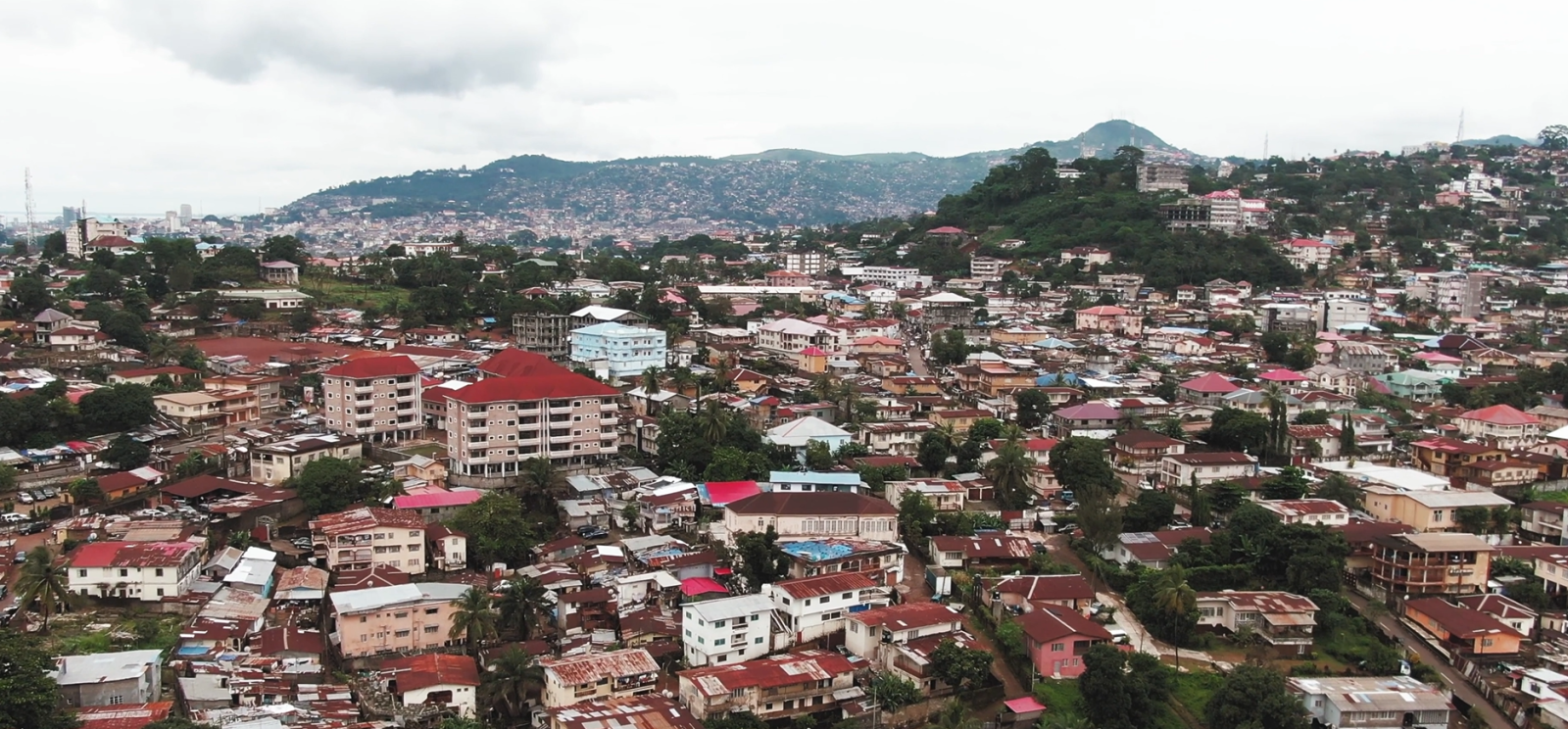
Despite these obstacles, a recent property tax reform initiative in Freetown, Sierra Leone – supported by the Local Government Revenue Initiative (LoGRI), the International Centre for Tax and Development (ICTD), and the International Growth Centre (IGC) – has shown the transformative potential of reform. By simplifying and digitizing its tax system, Freetown witnessed a fivefold increase in revenue potential, a tripling of revenue collection, and major improvements in equity and transparency for taxpayers. The reform has since expanded to other cities within Sierra Leone and become a model for successful property tax reform in developing economies around the world.
The Road Ahead
Although property taxes are only one instrument in the subnational finance toolkit, evidence from Freetown suggests that local governments have much to gain by strengthening these systems. A more effective and efficient property tax system can help cities meet growing financial demands while enhancing their fiscal autonomy, governance, and responsiveness to residents’ needs.
Watch the full video below to learn more.