


Building Fiscal Capacity, Legitimacy and Local Leadership Through Property Tax Reform Across Sierra Leone
Over six years, LoGRI’s engagement in Sierra Leone has transformed property taxation from a fragmented, manual and leakage-prone system into a modern, digitized and increasingly sustainable municipal revenue platform. What began as a two-neighbourhood pilot in Freetown has evolved into a nationally endorsed reform model, with strong evidence of revenue growth, improved equity, strengthened local capacity, and global influence.
The Starting Point: A System Stuck in the Past
Before reform, property tax administration across Sierra Leone’s city councils was defined by handwritten demand notices and cash-based payments, outdated valuation rolls, weak enforcement, and limited taxpayer communication. Compliance was low, revenues were modest, and the system disproportionately burdened lower-value properties through flat or area-based rates. Yet the legal framework provided an opportunity: councils had discretion over valuation methods and could adopt innovative approaches without needing a fully developed cadastre.
The turning point came when the reform-minded Mayor of Freetown, Yvonne Aki-Sawyerr, requested support from LoGRI’s precursor initiative, the African Property Tax Initiative (APTI). That request catalyzed one of the most ambitious municipal tax reform programs in West Africa.
Proof of Concept to Sustained Revenue Growth – From Pilot to System Transformation
In 2019, LoGRI piloted a points-based valuation system in two neighbourhoods of Freetown, covering over 11,000 properties. The pilot demonstrated that:
- Satellite imagery and survey data could support rapid valuation
- Automated liability calculations could replace manual systems
- Digital billing and tracking could dramatically improve administration
That pilot became the foundation for full citywide implementation and the creation of the Mobile Property Tax System (Moptax).
Impact in Freetown
The impact of these reforms in Freetown has been transformative:
- First comprehensive mapping in 20 years completed in six months,
- Tax register doubled: from 57,000 to ~110,000 properties,
- Revenue potential increased fivefold,
- Revenue collection tripled: from ~$500,000 pre-reform to $1.5M USD in 2021,
- Further growth to over $2.3M USD in 2024,
- Compliance increased from 39% in 2021 to 49% in 2024, and
- Equity improved: property tax valuation for the top 20% of properties more than tripled, while valuations for the bottom 20% more than halved.
Over four years, the reform generated approximately $4.5 million USD in additional revenue — far exceeding initial donor investment and delivering a clear positive return. The reform has been covered as a new model for a successful property tax reform in The Economist, African Arguments, The Conversation, Vox Dev and a wide variety of international fora, while the reform has been the site of field-leading research into tax compliance, tax enforcement and strategies to strengthen the social contract.
“The most important structural changes I’ve led are digitizing our property rate system, which shifted our budget from being majority government-funded to over 80% self-sustained…”
Mayor of Freetown, Her Worship Yvonne Aki-Sawyerr, speaking in an interview with AVV’s Wake Up Sierra Leone Programme.
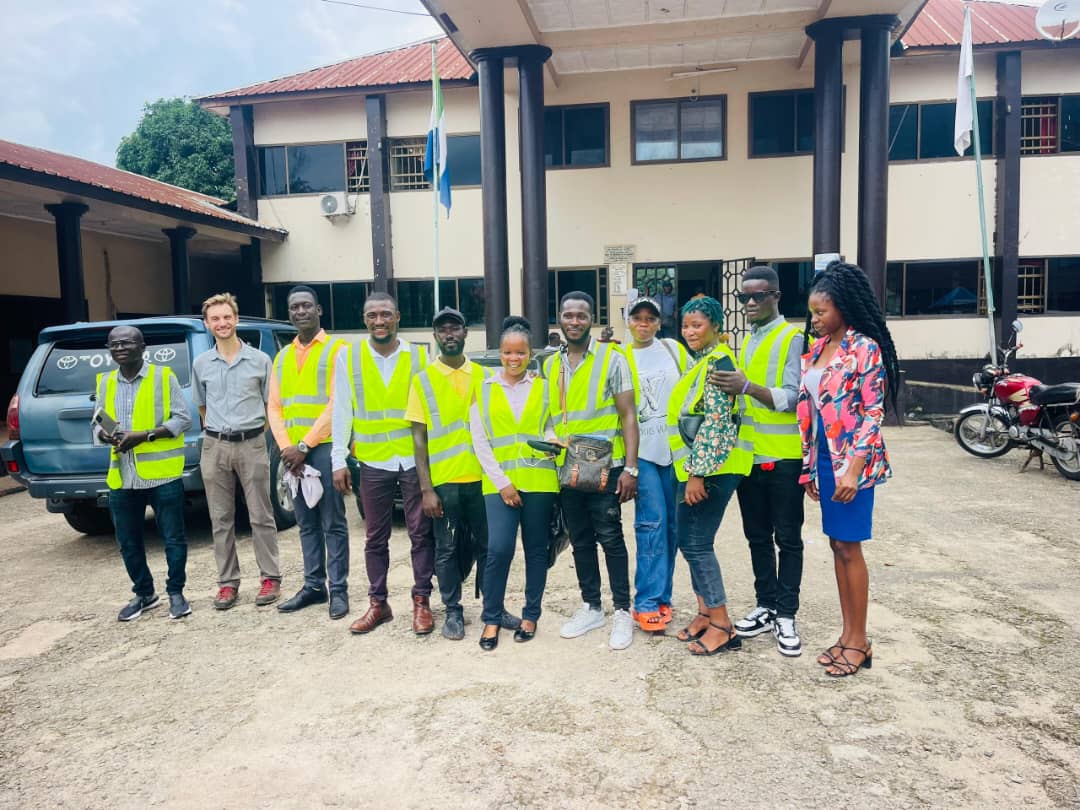
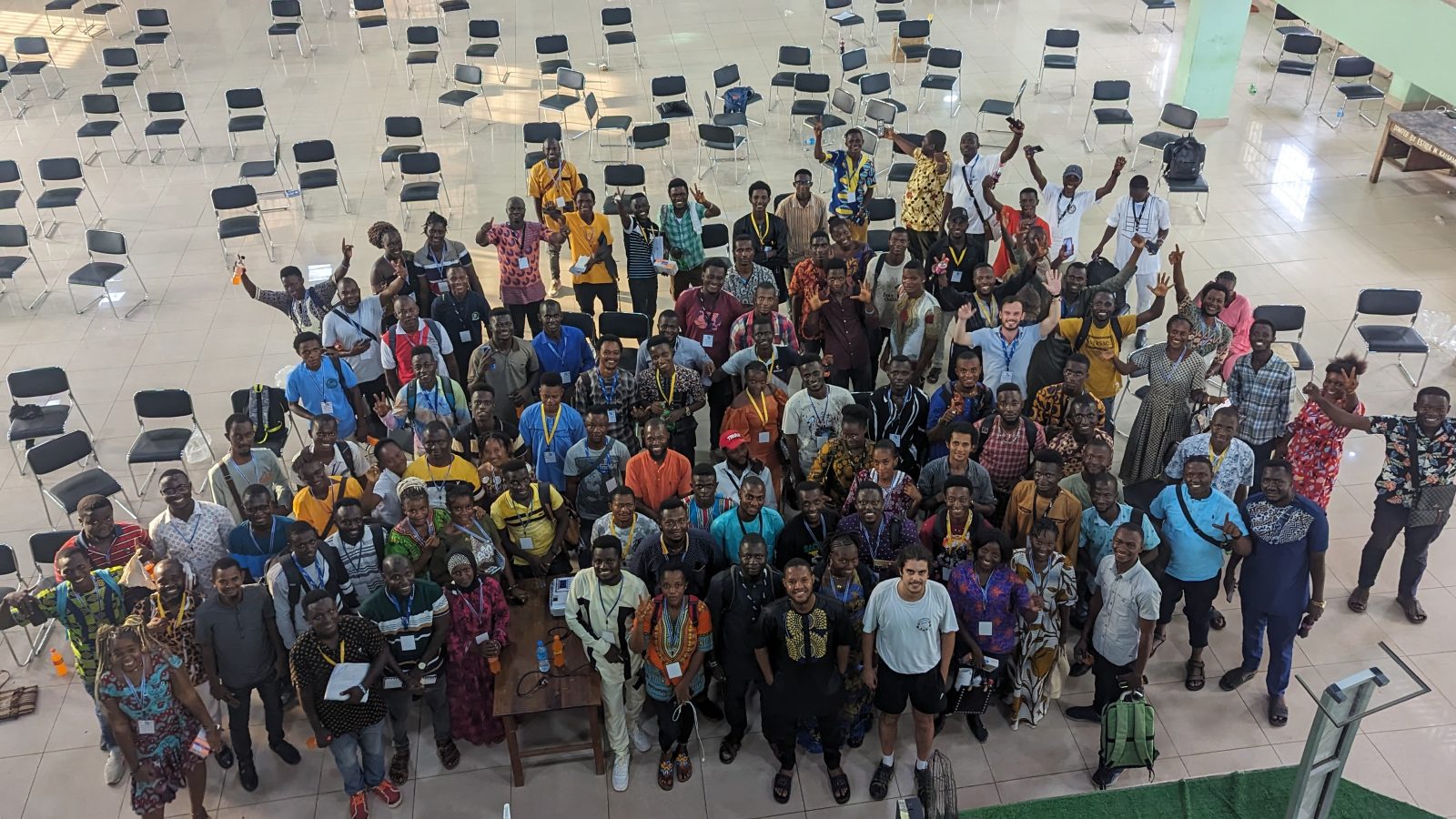
Perhaps most importantly, reform is no longer externally driven. City officials who once shadowed LoGRI personnel now independently manage the system. By 2025, Freetown City Council was running the platform with minimal external support – a powerful demonstration of institutional ownership and the sustainability of reform.
A Phased Path to National Reform
Following a request from the national government, LoGRI helped scale these reforms to a second Sierra Leonean city, Kenema. Despite being roughly a quarter the size of Freetown, Kenema achieved impressive first-cycle results as:
- Properties on roll doubled (14,682 to 27,545),
- Revenue potential nearly tripled,
- Revenue collection increased 2.7 times, and
- Compliance reached 45%.
Kenema also benefited from upgrades to the Moptax system, which included integration with mobile money. Enforcement research supported by LoGRI, in partnership with the International Growth Centre (IGC) and Centre for the Study of African Economies (CSAE) at Oxford, also introduced structured defaulter identification, court summons processes, and collaboration with trusted traditional and religious leaders – blending modern administration with locally legitimate authority.
Following Kenema, these reforms were expanded to Makeni in 2024, where implementation is now in its first year of post-reform support. Although progress in Makeni has been slower, the number of properties on the valuation roll increased from 12,835 to 15,917, and the city remains part of the national reform architecture. The groundwork – including system installation, equipment provision, and staff training – has been laid, helping ensure that the infrastructure for long-term transformation is in place.
Given the success of the reforms, Sierra Leone has since officially adopted the IT platform as its Municipal Property Tax System (MPTS SL), with plans for nationwide rollout on the horizon.
Related Projects
Status: On-going
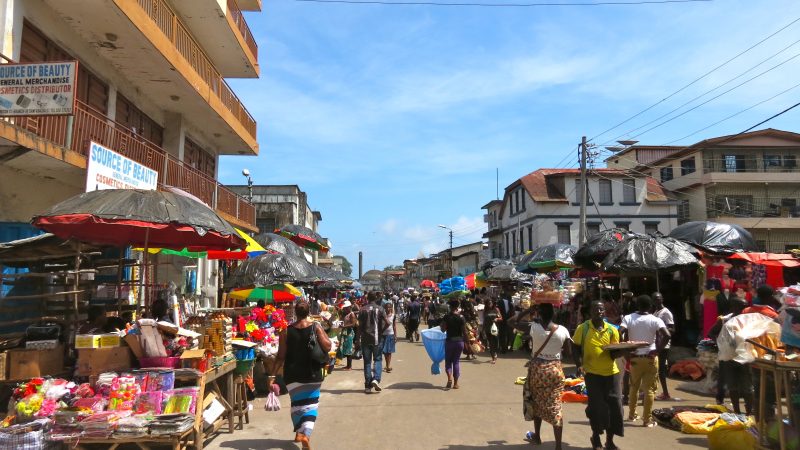
Freetown City Property Tax Reform
Country:
 Sierra Leone

Status: On-going
Kenema City Project
Country:
Sierra Leone
Status: On-going
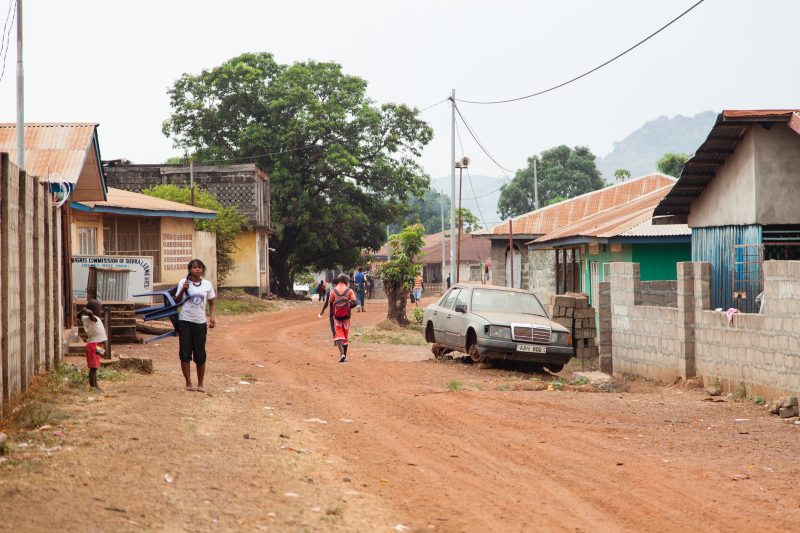
Makeni City Project
Country:
Sierra Leone
Related Research

2026 July
Country:
Sierra Leone

2026 May
Country:
Sierra Leone
2025 September
Country:

 Multiple Countries
