



Across lower-income countries, property tax systems have long been constrained by persistent challenges: incomplete cadastres, outdated valuation rolls, scarce valuers, opaque processes, and weak taxpayer trust. Limited property sales data, capacity constraints, and high costs have also made traditional, market-based valuation methodologies out of reach for many tax administrations. These barriers often left governments struggling to accurately identify and value properties, and mobilize the revenue needed to fund essential public services.
Pioneering a simplified set of administrative tools – combining geospatial mapping, simplified models of computer-assisted mass appraisal (often referred to as ‘points-based’ valuation methodologies), and integration into modern property tax IT systems – LoGRI helped change this trajectory, proving that effective property tax administration is possible even in the most constrained contexts.
A New, Fit-for-Purpose Model
The simplified approaches championed and developed by LoGRI generally begin by leveraging satellite and drone imagery to identify and map all properties within a given jurisdiction, and overcome frequent gaps in national cadaster data. From this foundation, enumerators verify the accuracy of the outlines and capture readily observable property characteristics to feed into a simplified, standardized valuation formula. These functionalities can then be integrated into a digital/IT system, streamlining administrative workflows and enhancing transparency in rate calculation.
This approach has proven transformative, as entire cities have been mapped for the first time, revealing tens of thousands of previously unrecorded properties. Valuation has also become faster and much more cost effective, potentially reducing costs from tens of dollars per property to just a few, while simultaneously improving tax equity, correcting the chronic undervaluation of high-value properties and curbing opportunities for corruption and leakage.
The result of this methodology is more comprehensive maps and transparent valuations, grounded not in guesswork or limited sales data, but in clear, observable data. What once required specialized valuers and years of fieldwork can now be achieved by trained local teams using simple and replicable tools, enhancing the efficiency and sustainability of reforms.
Visible Impact Across Countries
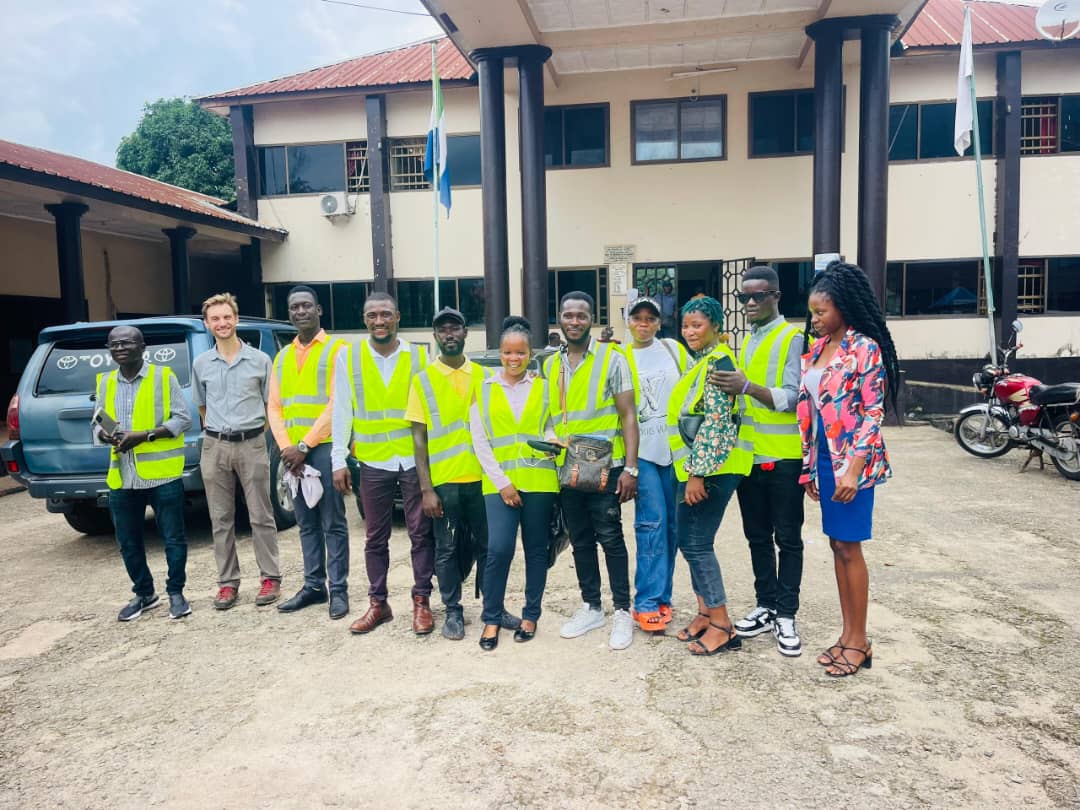
LoGRI’s work is now reshaping property tax systems across Africa. In Sierra Leone, Freetown, Kenema, and Makeni now operate property tax systems built on a simplified model, with over five consecutive tax cycles completed in Freetown alone. Revenues have increased, equity and public trust have strengthened, and government agencies are gradually taking over key administrative functions. National commitment is strong, with plans to scale the model to additional cities as part of broader reforms.
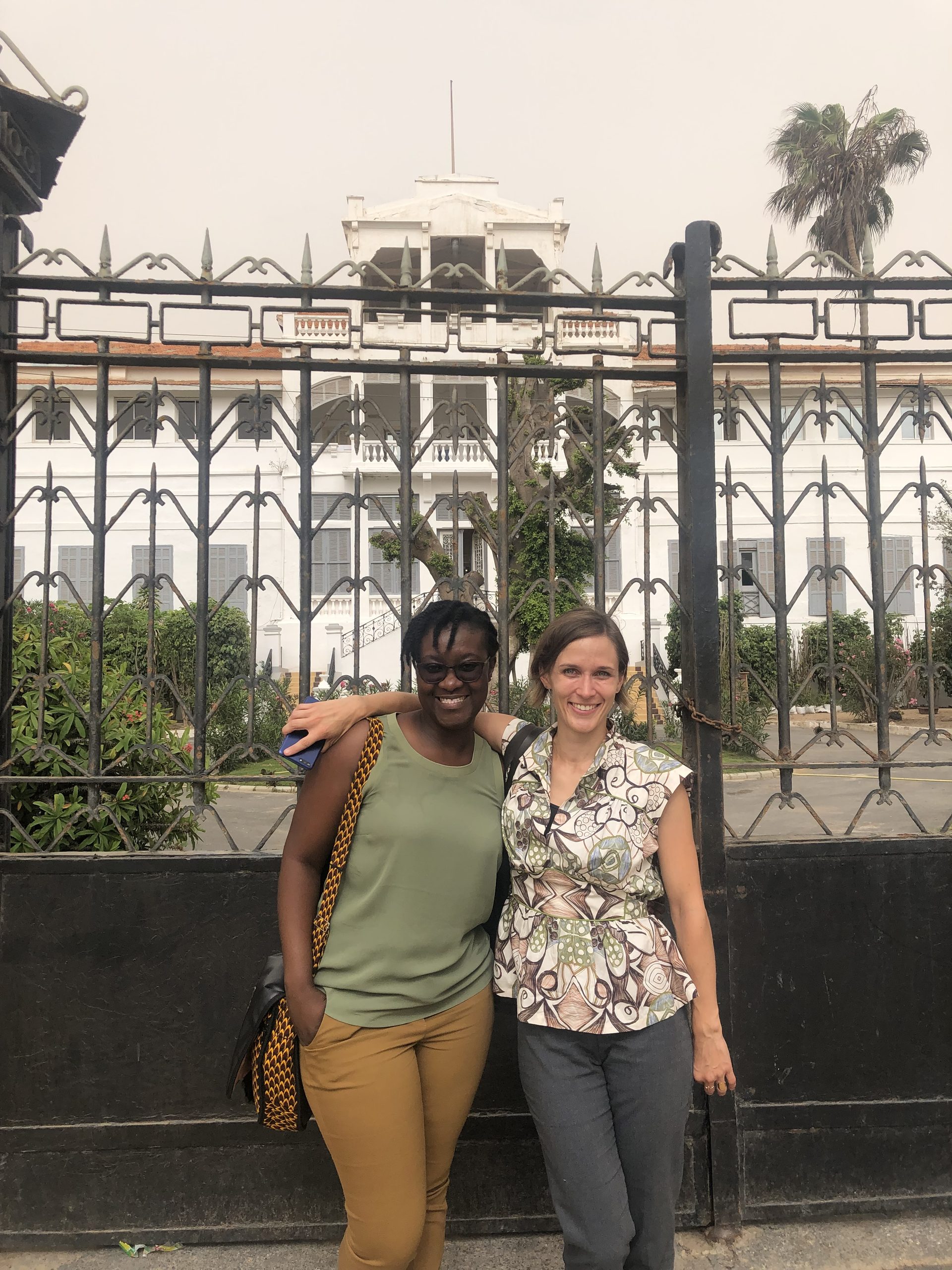
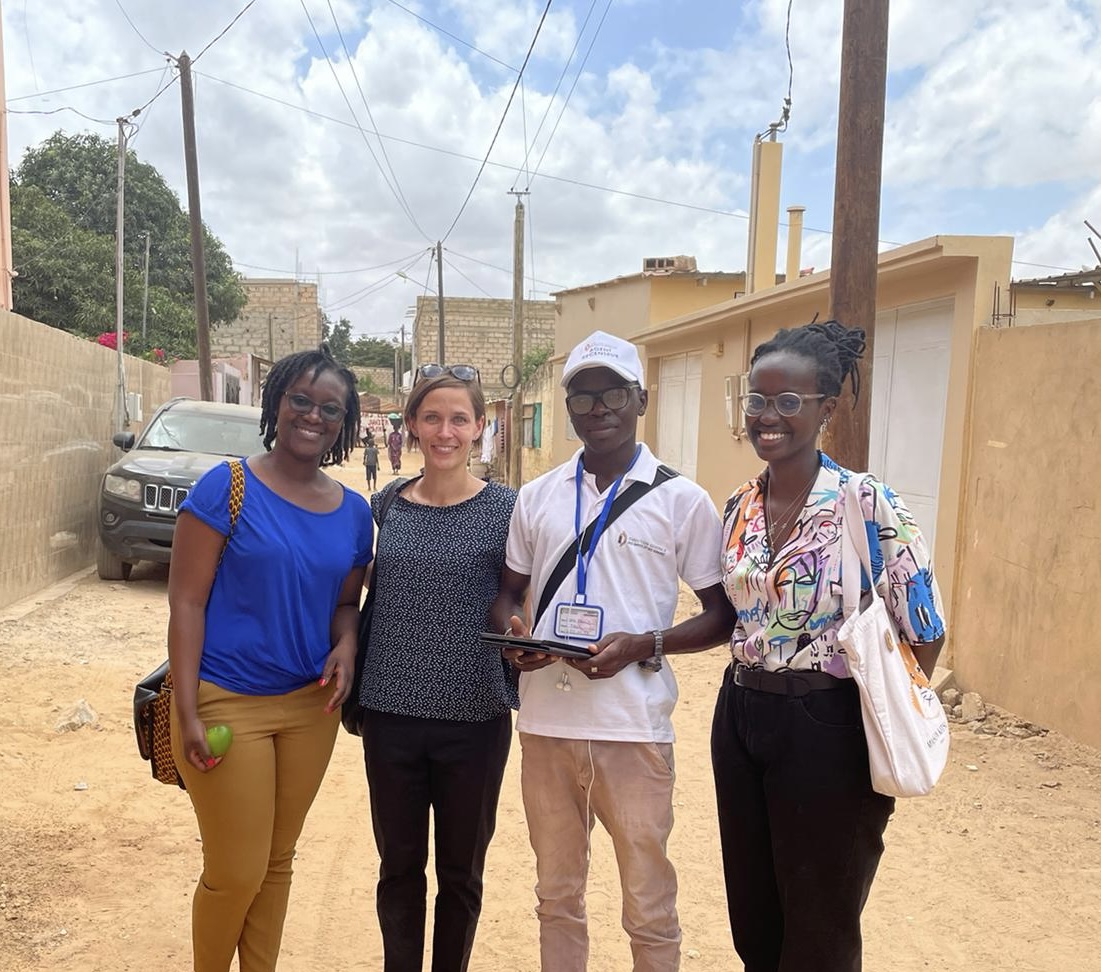
In Senegal, LoGRI’s early guidance helped shift a research initiative into a pioneering points-based valuation pilot in Dakar that has since scaled citywide. This work not only strengthened administrative capacity but also informed a major national legal reform that allowed the taxation of properties without confirmed owners. This crucial shift opened the door for nationwide adoption.
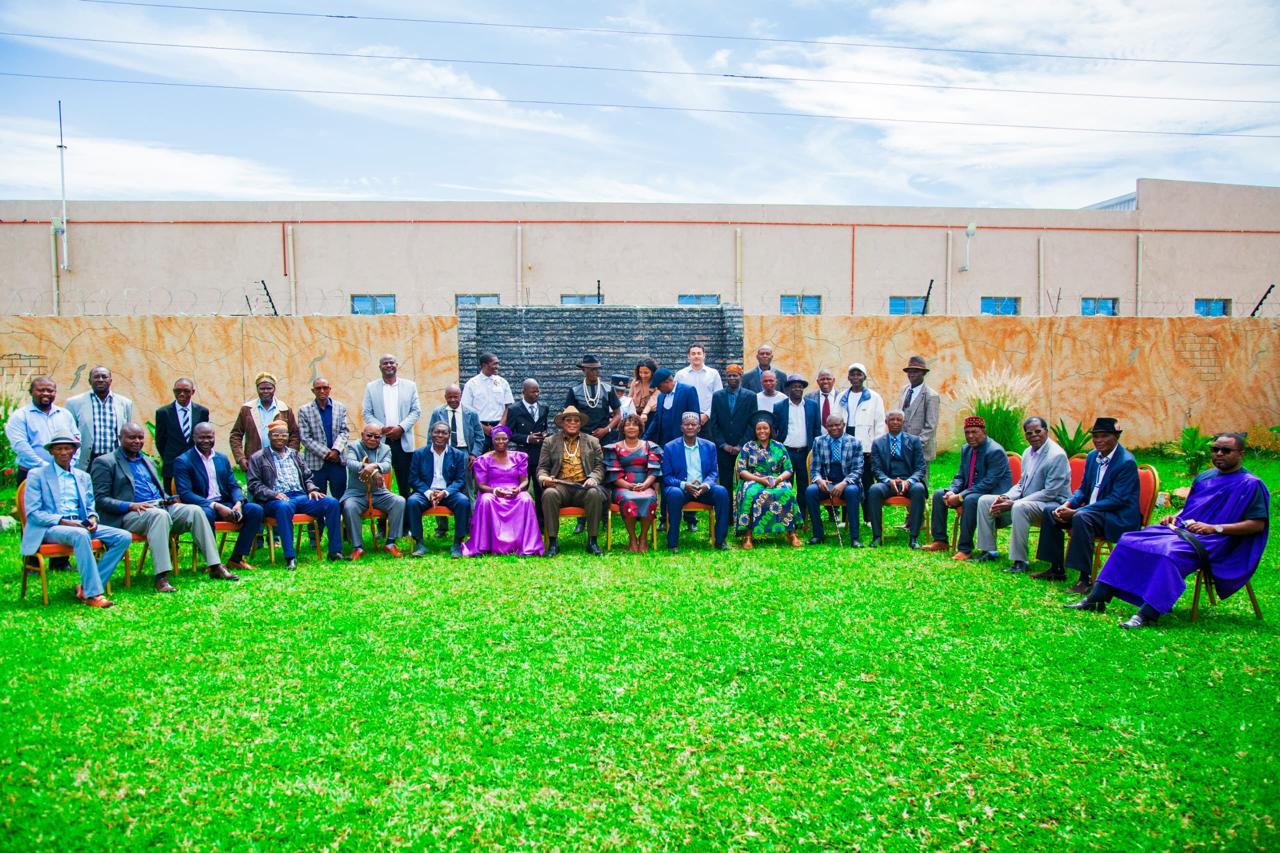
In Benin, Malawi, and Zambia, LoGRI has laid the groundwork for reform by providing diagnostics, informing legal changes, and running valuation pilots that clearly demonstrate the superiority of simplified approaches. In Malawi, LoGRI’s guidance was instrumental in shaping the 2024 Property Valuation Act, which opened the door to simplified, mass valuation methods. In Zambia, LoGRI’s Mansa pilot delivered compelling evidence that valuations can be conducted faster, more accurately, and at a fraction of the cost of traditional methods – and are now being piloted on a larger scale across the country.
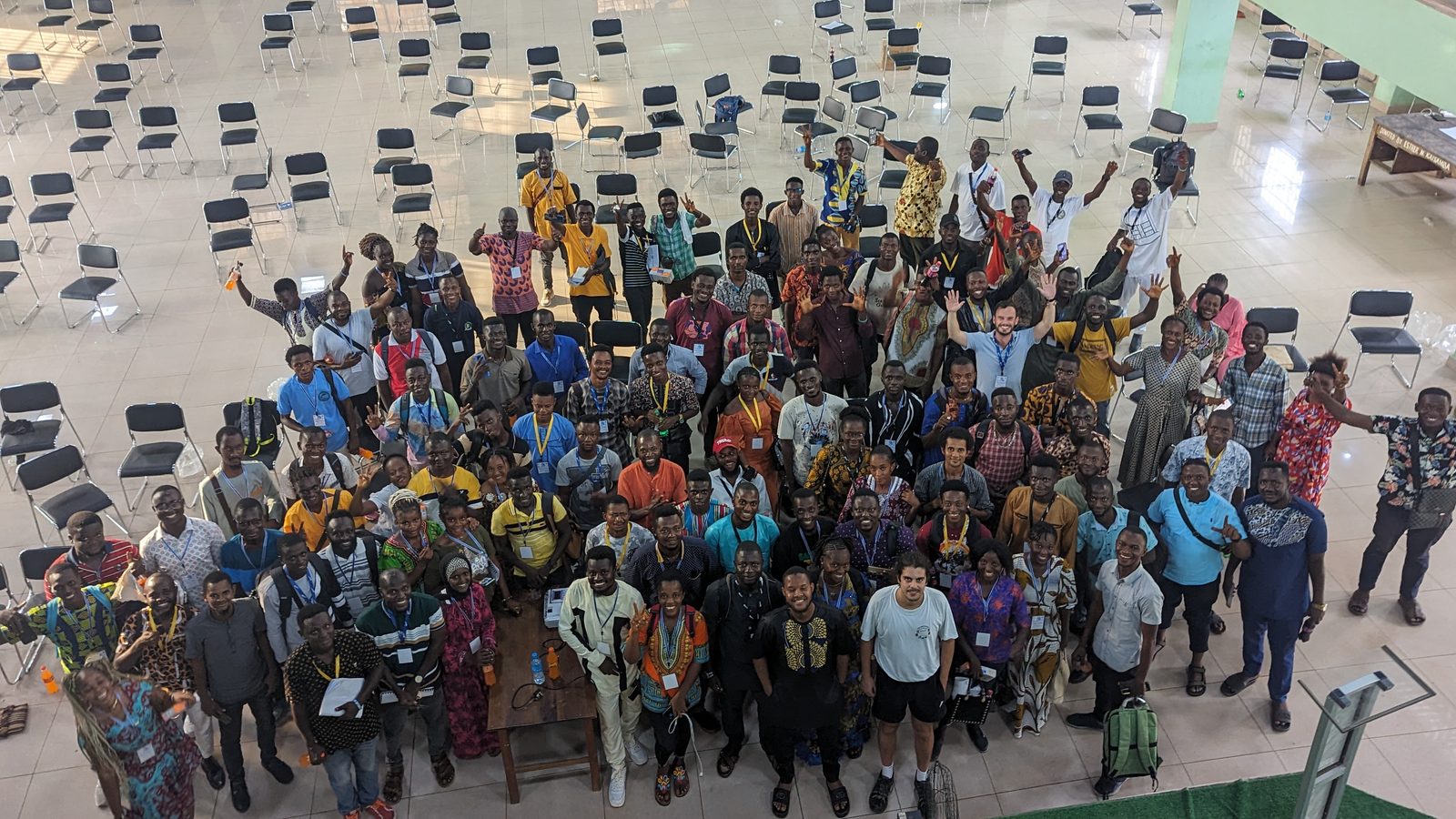
Even in fragile environments like Kananga, Democratic Republic of Congo, LoGRI’s interventions resulted in the mapping and valuation of over 130,000 properties – more than triple previous records – proving that simplified methods can function, even where state capacity is low.
As importantly, these ideas are now a widely accepted approach to reform among major international institutions, including the IMF and the World Bank, and among government reformers themselves – helping accelerate the potential for successful reform across countries.
A Proven, Scalable Solution
The evidence is unequivocal: LoGRI’s work on simplified methods demonstrates that they are efficient, equitable, affordable, and adaptable. These types of approaches – adapted to the specific features of individual contexts and needs – can reduce administrative burdens, improve fairness, expand tax bases, and build the foundations for sustainable revenue generation without waiting for perfect data or fully developed cadastres. Importantly, these tools empower governments – not external consultants – to administer their own systems, facilitating local ownership, effective governance, and long-term sustainability.
Related Projects

Statut : En cours
Freetown City Property Tax Reform
Pays :
 Sierra Leone

Statut : En cours
Kenema City Project
Pays :
Sierra Leone

Statut : En cours
Piloting Select Property Tax Reforms in Zambia
Pays :
 Zambia
Pays :
 Togo
Related Research
2025 septembre
Pays :
 Plusieurs pays
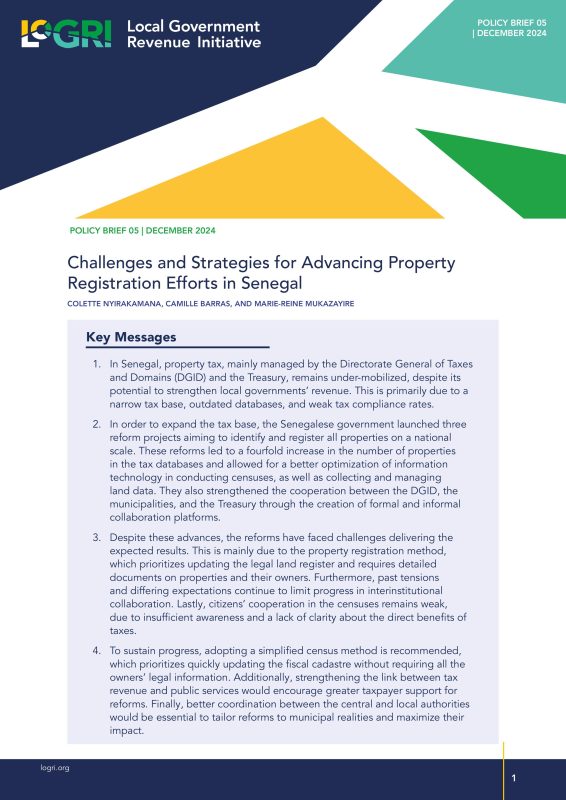
2024 Décembre
Pays :
Senegal