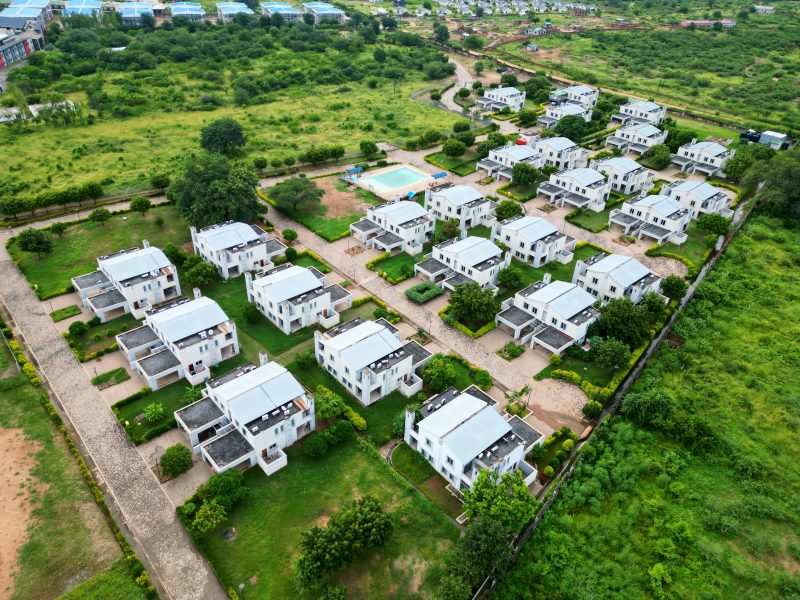


When LoGRI began working in Zambia in 2022, property tax was severely underperforming, contributing just 0.15–0.2% of GDP. Large numbers of properties were missing from valuation rolls, valuation processes were slow and subjective, and legal and institutional constraints – particularly around customary land – limited coverage across the country.
To understand and help address these barriers, LoGRI – with support from GIZ – conducted a detailed diagnostic assessments of Zambia’s property tax system, drawing on 80 interviews across key stakeholder groups, a large-scale taxpayer attitude survey, and a pilot project.
Identifying and Addressing Binding Constraints
The diagnostic identified a range of bottlenecks, including costly and centralized valuation, inconsistent assessments, weak digital systems and data sharing, ineffective intergovernmental cooperation and restrictions linked to customary land tenure. Armed with this evidence, LoGRI piloted an alternative approach in Mansa, testing a simplified model of GIS mapping and computer assisted mass appraisal on 2,160 properties. The results were promising: scaling up the pilot across the city was projected to reduce costs by about 30% per property compared to the conventional approach. Measuring buildings from satellite imagery, separately from field data collection, also meant that the team could move much faster, with data collection for the pilot completed in just five days. At this pace, the team could have covered every property on the previous valuation roll in less than three weeks, compared to three months under the conventional approach. Assessments also became more objective and consistent, providing compelling evidence that meaningful reform was both feasible and cost-effective.
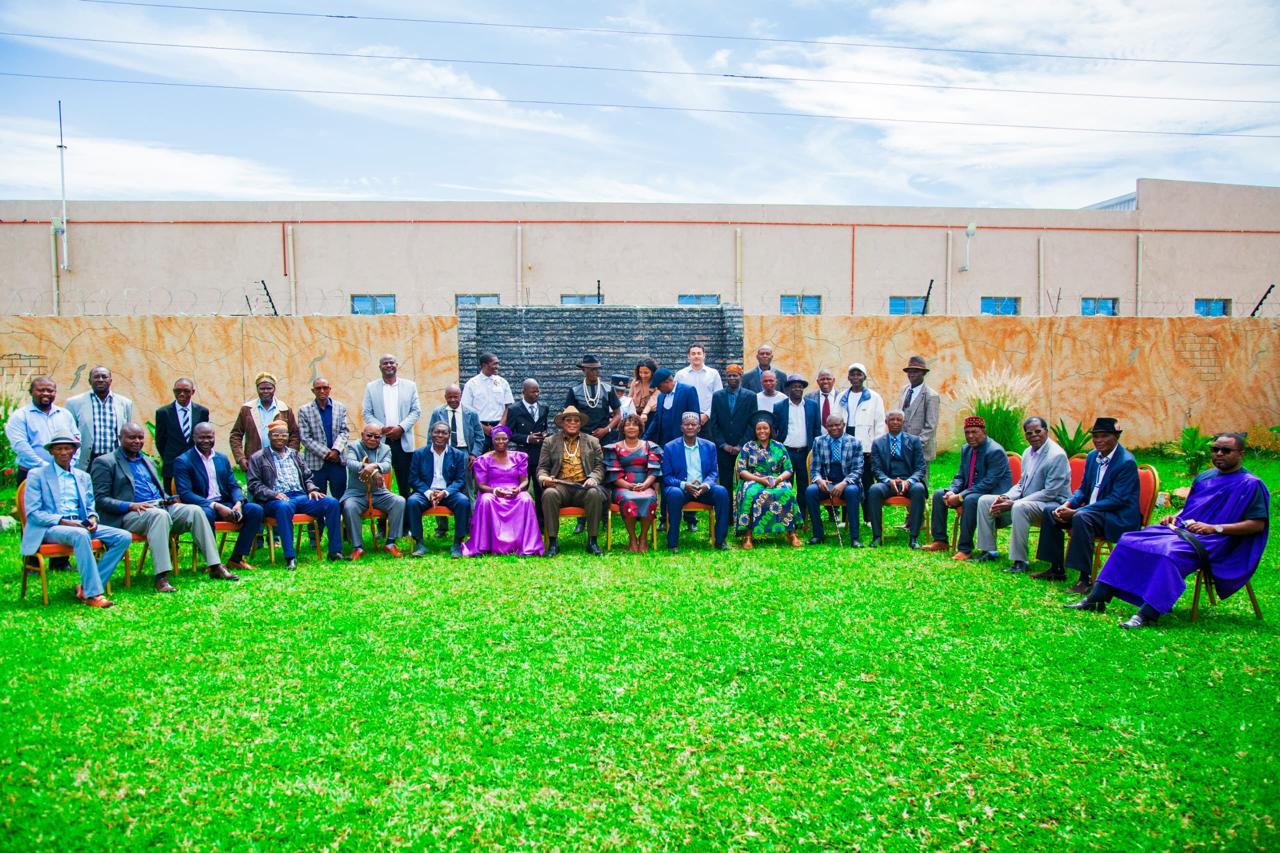
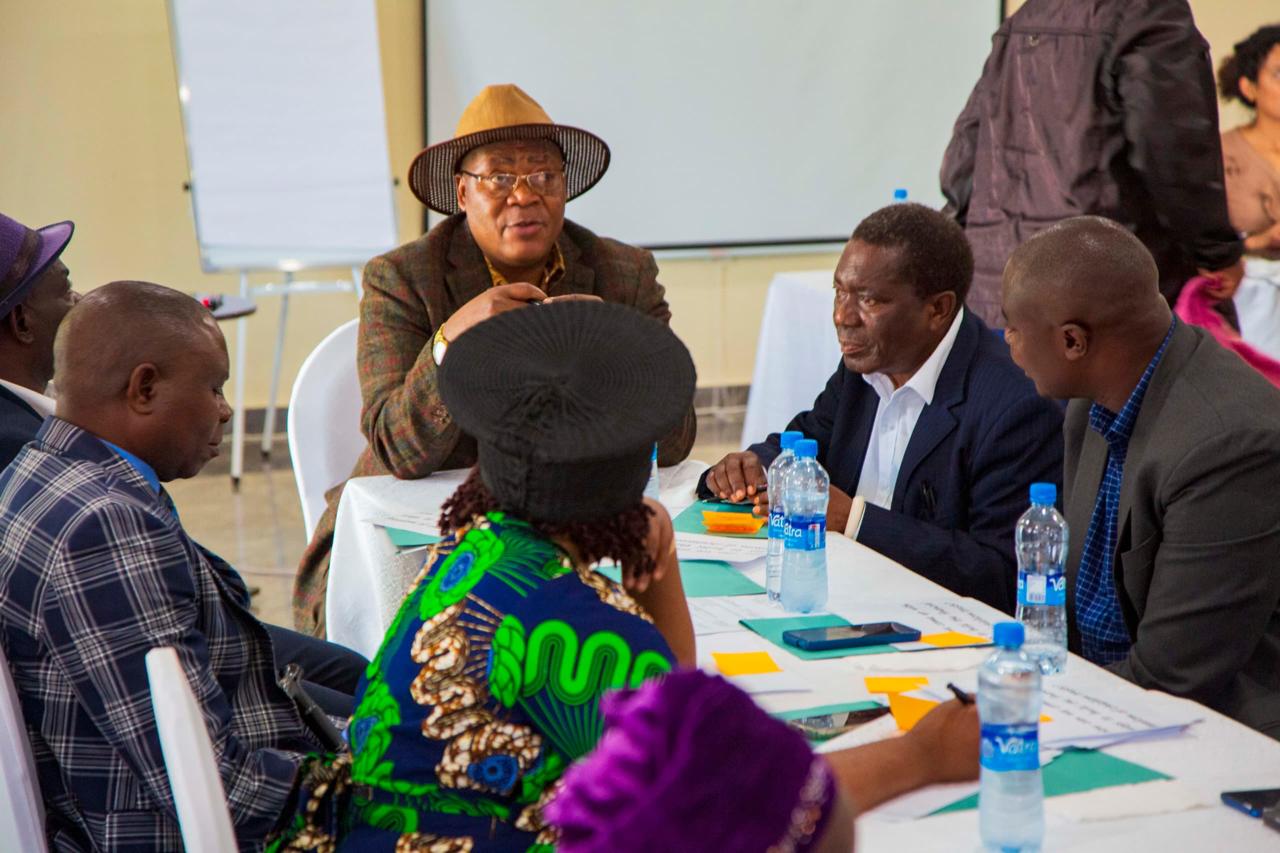
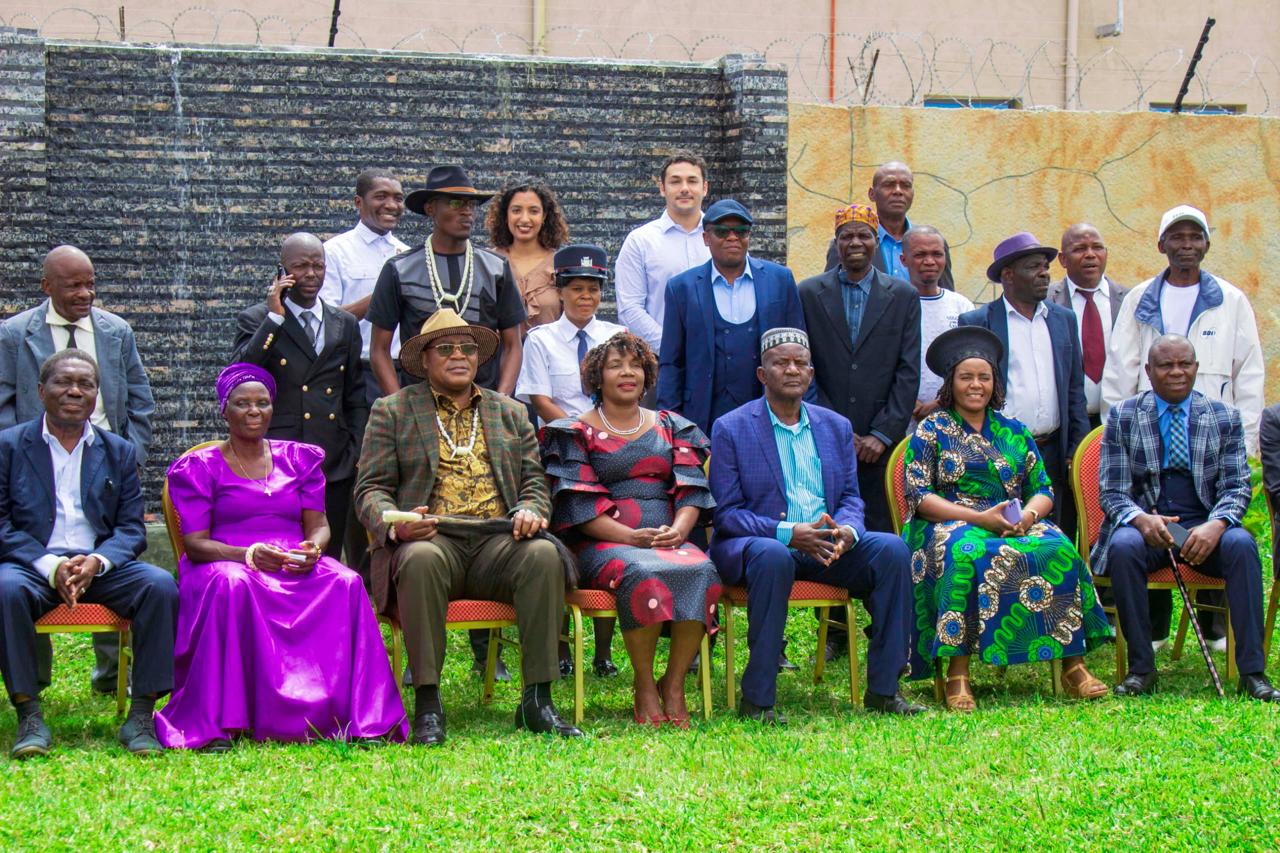
LoGRI then worked to translate these findings into political traction. Research findings were shared at workshops with national officials, local councils, and the House of Chiefs, building understanding and support across institutional boundaries. A senior government champion then advanced amendments to the Rating Act, many of which reflect LoGRI’s recommendations.
Scaling Impact
Building on that momentum, the government invited LoGRI to implement a larger scale pilot of simplified mapping and valuation in 2026, alongside more detailed research into strategies for expanding property taxation in areas of customary authority. We are now collaborating with the government in discussions of strategies for scaling up reform nationwide following recent elections.
Over the years, LoGRI’s sustained, collaborative research, pilot projects, and policy engagement have meaningfully shifted the national conversation on property tax reform, proving that real progress is possible in politically sensitive and institutionally complex environments. Zambia now has a clear evidence-based roadmap for reform, stronger engagement between government and traditional authorities, and a growing base of political champions and international partners.
Related Projects

Status: Completed
Property Tax Reform in Zambia: Challenges and Opportunities
Country:
 Zambia

Status: Completed
Understanding the Dynamics of, and Attitudes Toward, Property Tax Compliance in Zambia
Country:
Zambia

Status: On-going
Piloting Select Property Tax Reforms in Zambia
Country:
Zambia
Related Research
2024 September
Country:
Zambia
2024 October
Country:
Zambia
2024 October
Country:
Zambia