
Amplifying Partnerships and Knowledge Reach
LoGRI works closely with academics, practitioners and donors to provide advisory and technical support to governments in sub-Saharan Africa and South Asia seeking to reform local revenue systems.
LoGRI also seeks to enrich global understanding of subnational tax issues and solutions by co-creating applied research outputs and tools, leading practical skills development workshops, and engaging with regional and international audiences.
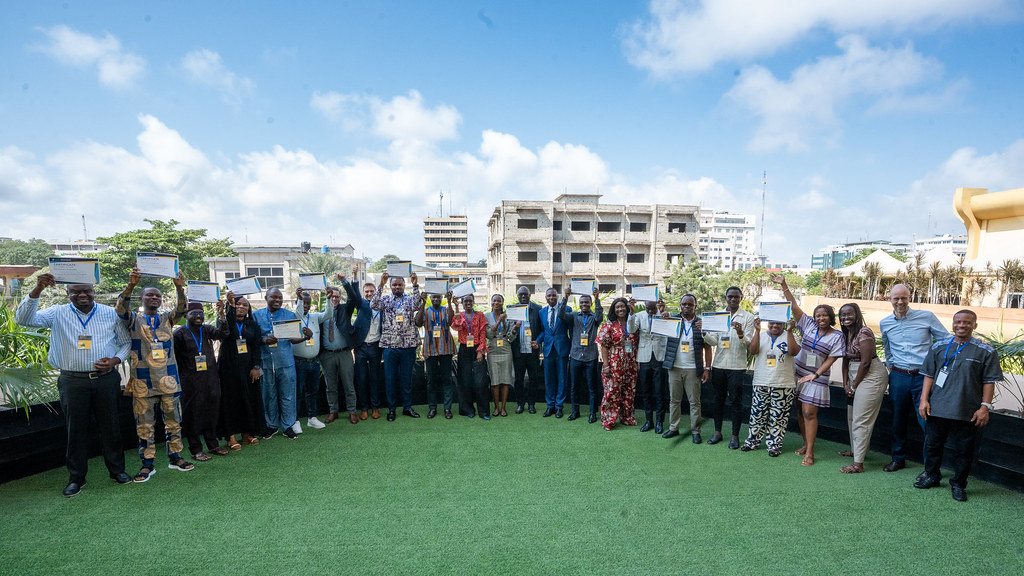
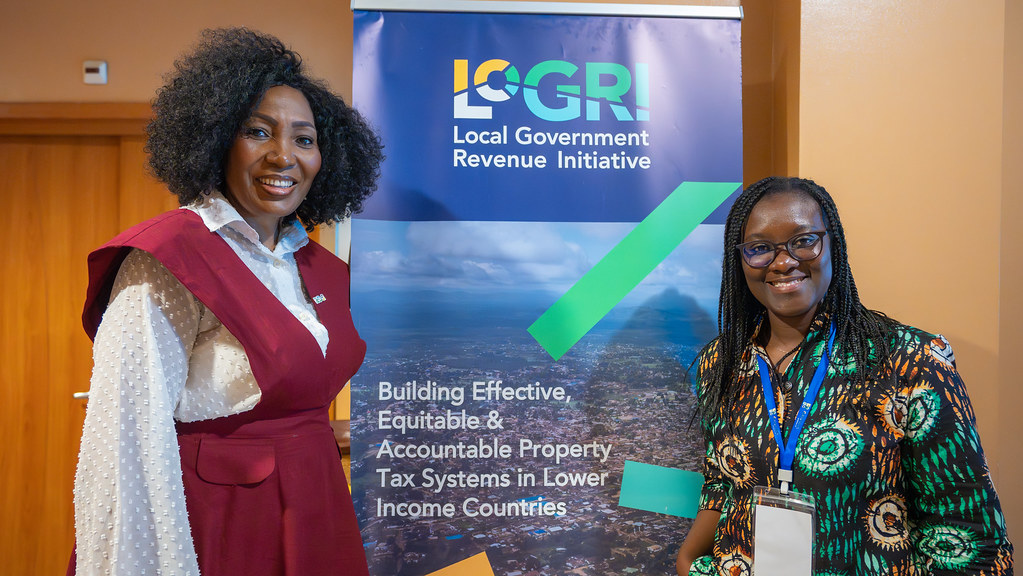
At-a-glance Statistics:
- Strategic partnerships
that support and amplify LoGRI’s work in-country and globally - 20+
- Products produced
36 of which are published online - 50
- Views
of LoGRI’s publicly accessible knowledge outputs - 8K+
- More digital engagement
across platforms since inception - 2x
- Events delivered
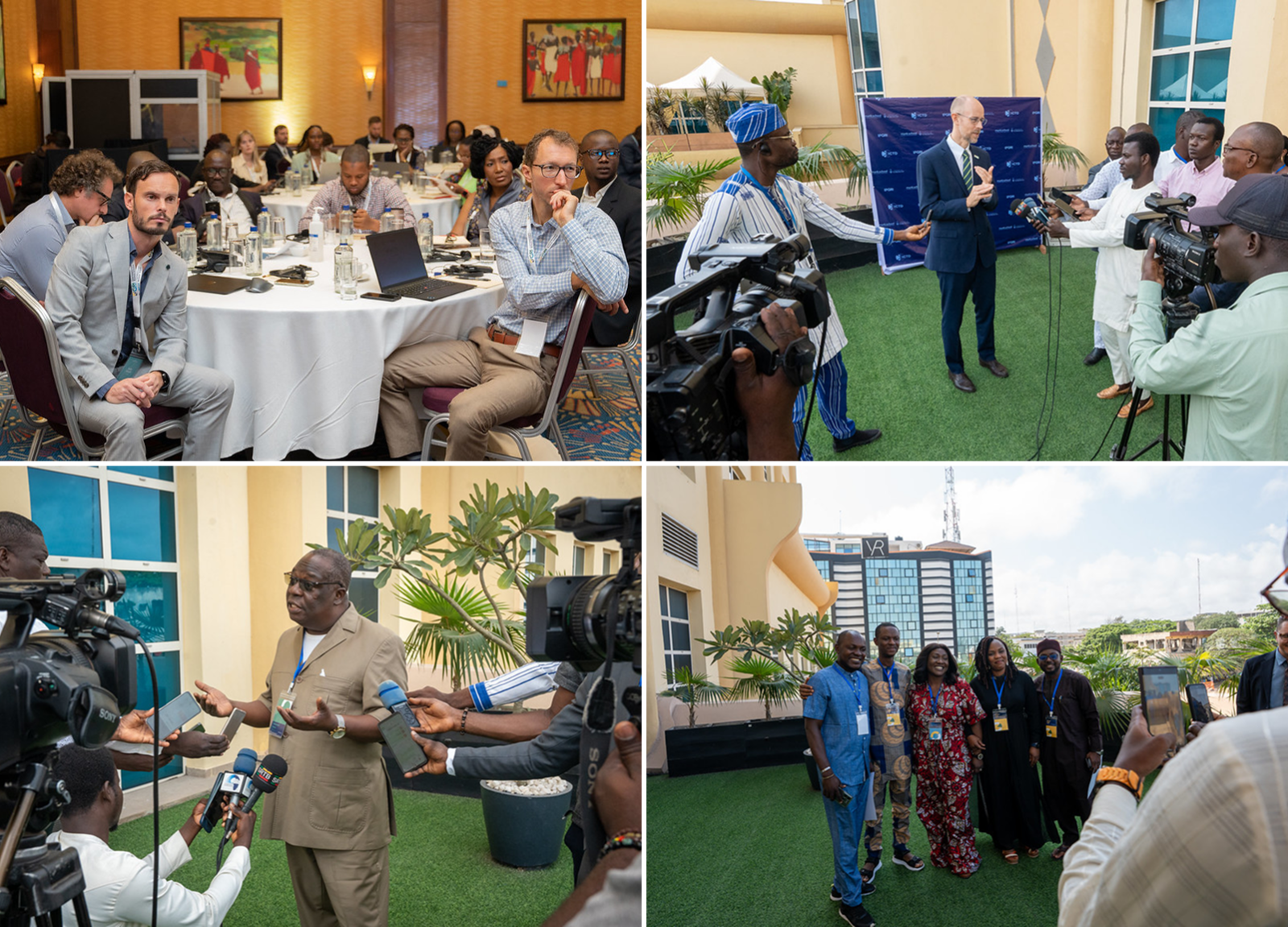
for a total of 528 hours and reaching 2,500 people - 54
Working alongside Key Partnerships

















Impact Stories
Discover LoGRI’s impact and outcome stories






Ideations
LoGRI seeks to inform global understandings of, and approaches to, core ideation strands:
Simplified Property Mapping & Valuation Methods
Delivery: Advanced | Impact: Transformational
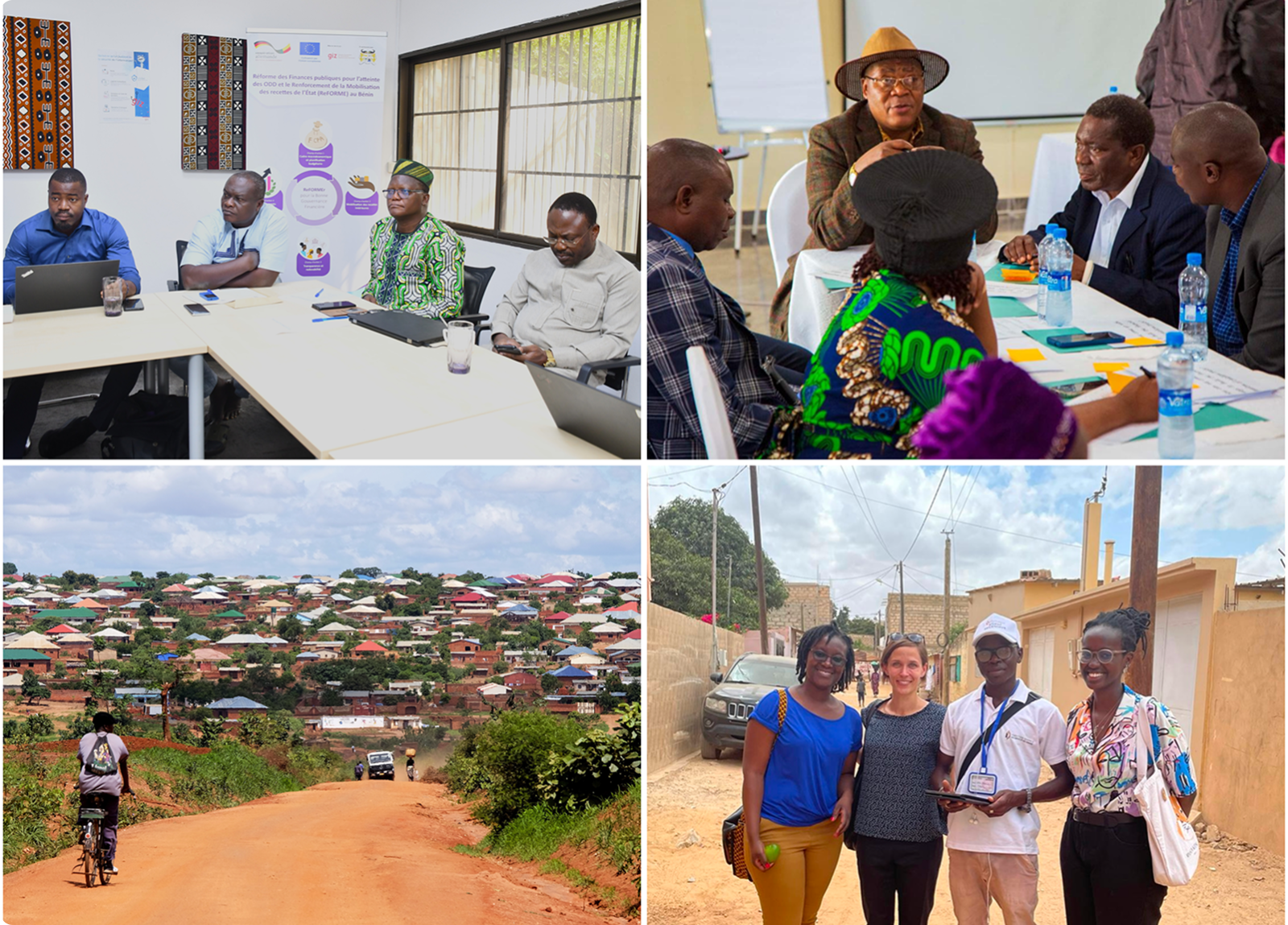
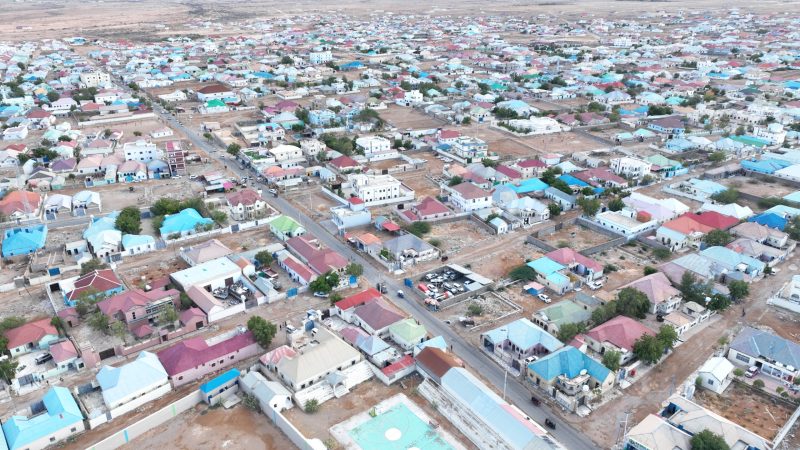
Across lower-income countries, property tax systems have been held back by incomplete cadastres, outdated valuation rolls, and a scarcity of professional valuers. LoGRI research argued that this was significantly explained by reliance on outdated, complex and administratively cumbersome process, which increased costs, lengthened timelines, complicated collaboration and increased risks of politicization and corruption. Across a wide range of pilots and deployment at scale we have found consistent reductions in costs, and improvements in coverage, accuracy and transparency. These methods are now operating at scale in Sierra Leone and the DRC, have been piloted in Senegal, Zambia, Benin and Togo, and pilots are planned or ongoing in several countries. As importantly, these ideas are now widely accepted approach to reform among major international institutions, including the IMF and the World Bank, and among government reformers themselves, what is serving to accelerate the potential for successful reform across countries.
Related Publications
2025 September
Country:


 Multiple Countries
2024 December
Country:
Senegal

Digitalization
Delivery: Established | Impact: Strong
As many digital tools fail to meet the specific needs of tax administrations in lower-income countries, LoGRI generates substantial practical publications and resources on IT systems design and procurement to help bridge this gap. LoGRI also advises governments on digital system design and works with solutions providers to expand the number of locally-appropriate IT solutions, including Moptax, a modular platform deployed across Sierra Leone and in Kananga, DRC.
Related Publications

2026 May
Country:
Sierra Leone
2024 October
Country:
 Democratic Republic of Congo

Trust, Legitimacy, and Compliance
Delivery: Established | Impact: Strong
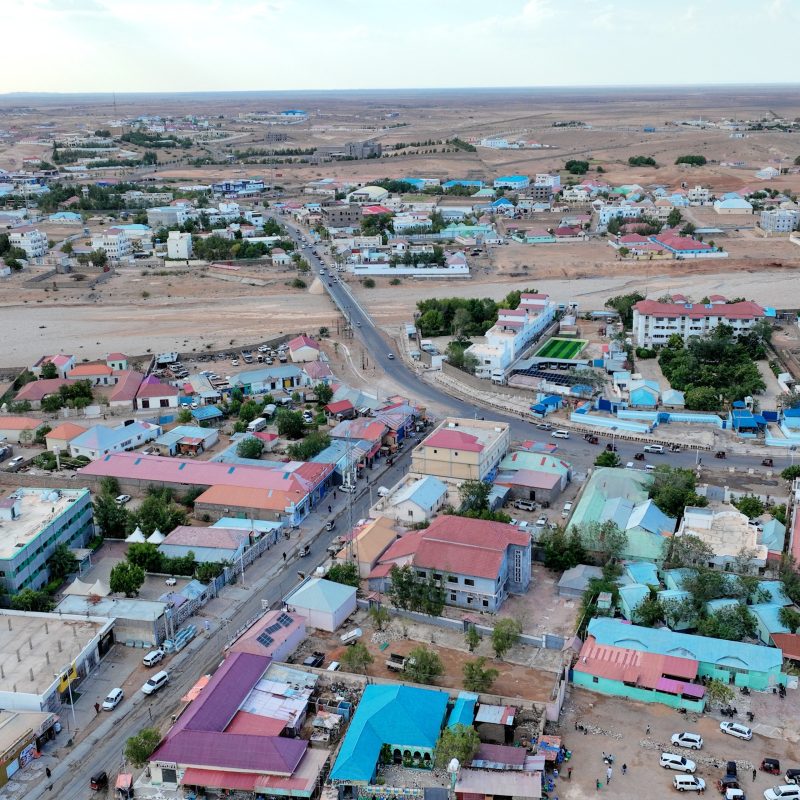
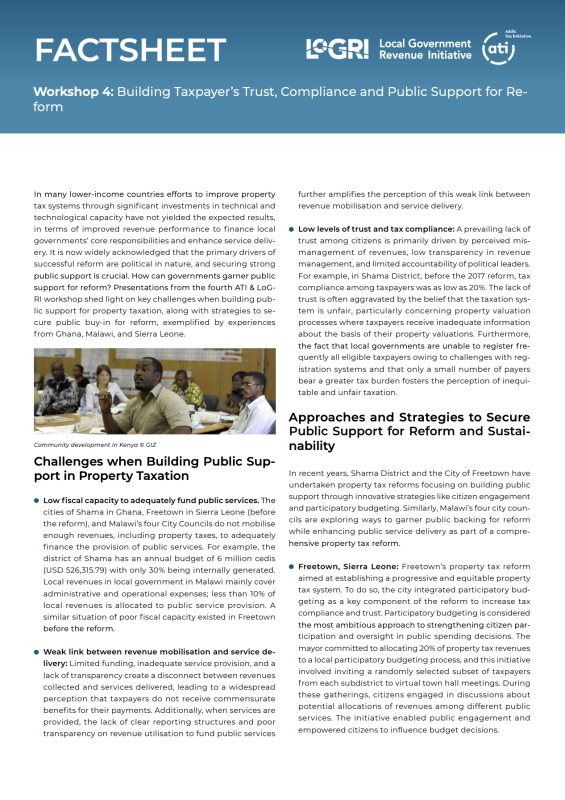
Core to LoGRI’s work is a conviction that taxpayer trust and government legitimacy are key ingredients for voluntary tax compliance. Through sustained engagement, LoGRI’s in-country and global partners are increasingly receptive to these ideas, as seen in a participatory budgeting project in Freetown, Sierra Leone, an earmarking exercise in Malawi, and discussions around extending taxation to high-value properties on customary land in Zambia.
Related Publications
2025 June
Country:
Sierra Leone
2025 January
Country:
Sierra Leone

Politics of Reform
Delivery: Established | Impact: Strong
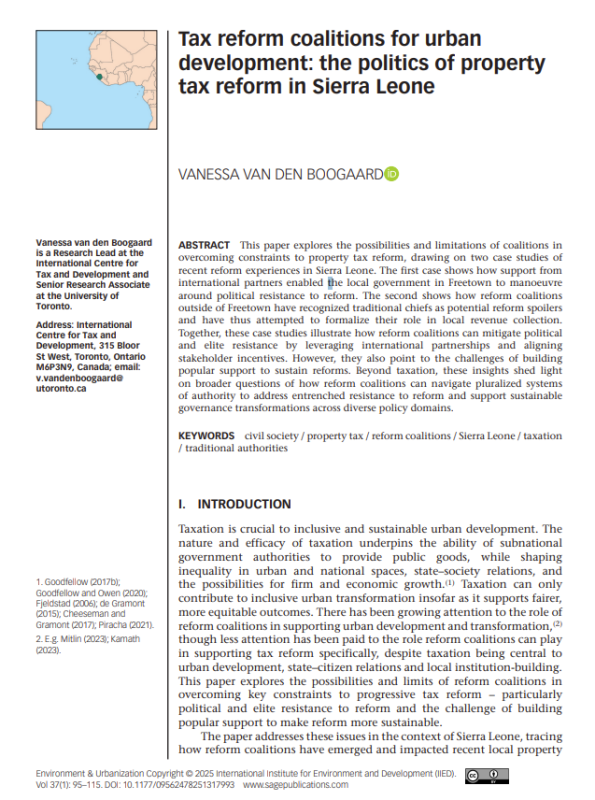
LoGRI has contributed to a field-wide shift in attention toward greater consideration of how politics shapes reform dynamics, especially regarding the distribution of power and the role of reform coalitions in overcoming resistance. To amplify these efforts, LoGRI has created a comprehensive diagnostic toolkit to support prospective reformers and consistently infuses these lessons into its conference programs and training materials, resulting in growing ideational uptake among key research and civil society partners.
Related Publications

2026 June
Country:
 Benin

Inter-Institutional Collaboration Dynamics in Property Tax Administration: The Experience of Senegal
2024 December
Country:
Senegal
2025 February
Country:
Sierra Leone

Property Tax Data for Admin Functions
Delivery: Early | Impact: Moderate
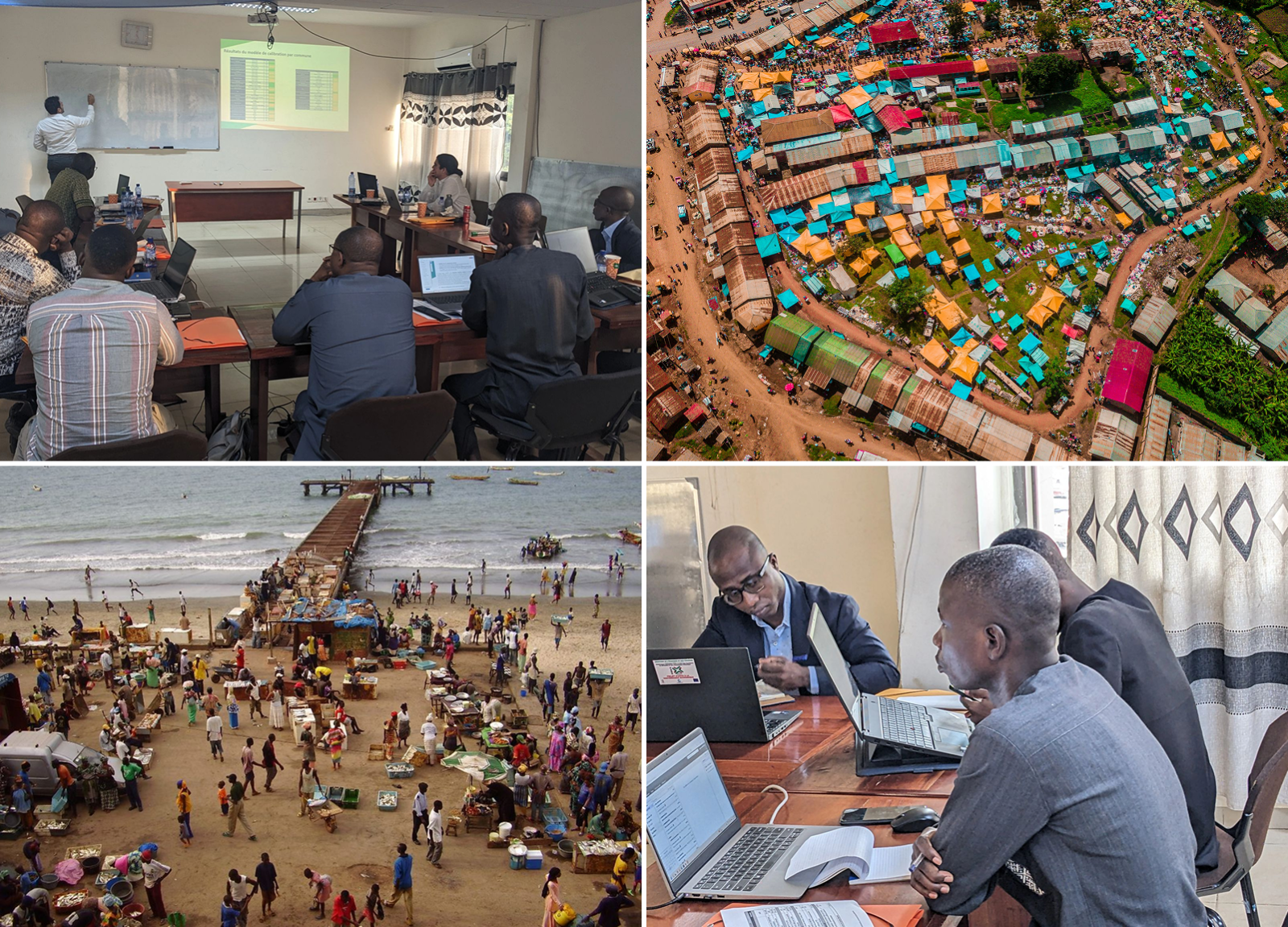
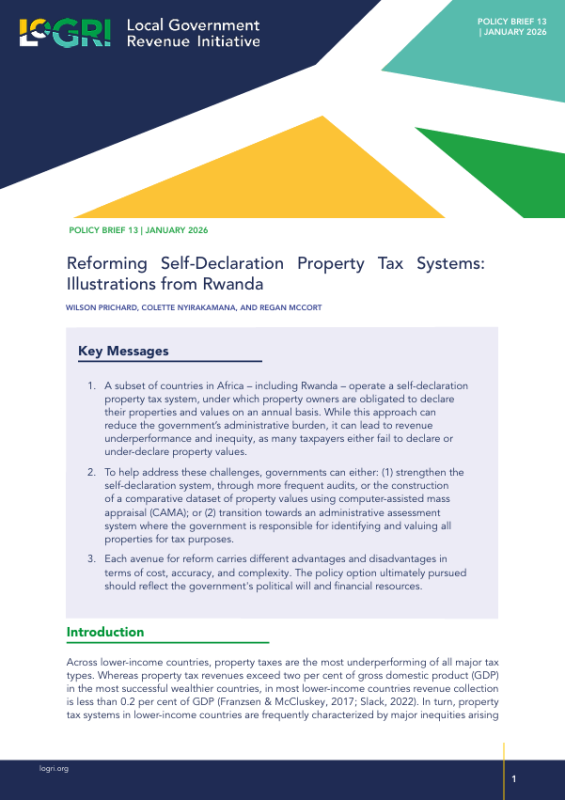
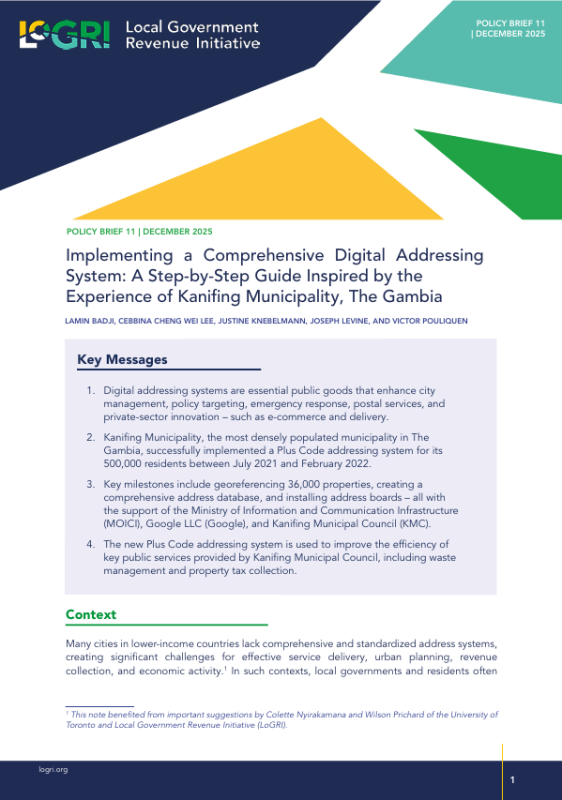
Given the richness of well-collected property tax data, LoGRI is conducting emerging research on opportunities to leverage this data to strengthen other government functions including cadastre development, urban planning, service delivery, land administration, and other tax collection efforts. While progress in this area is still nascent, this ideation strand reflects a wider “systems thinking” of linking property tax reform to broader development and governance challenges that is central to LoGRI’s mission.
Related Publications
2026 January
Country:
 Rwanda

2025 November
Country:
 Uganda
2025 December
Country:
 The Gambia
2025 September
Country:
Multiple Countries
Enforcement
Delivery: Early | Impact: Moderate
Alongside LoGRI’s research and policy work on compliance and public trust, we also seek to understand effective enforcement strategies and mechanisms, highlighting the importance of capacity constraints and incentive failures. Although LoGRI’s work in this area is relatively new, an ongoing LoGRI-supported pilot and research project on enforcement in Kenema, Sierra Leone, represents a valuable opportunity for sustained progress and novel research.
Related Publications
2025 June
Country:
Sierra Leone


Financing for Development
Delivery: Early | Impact: Strong
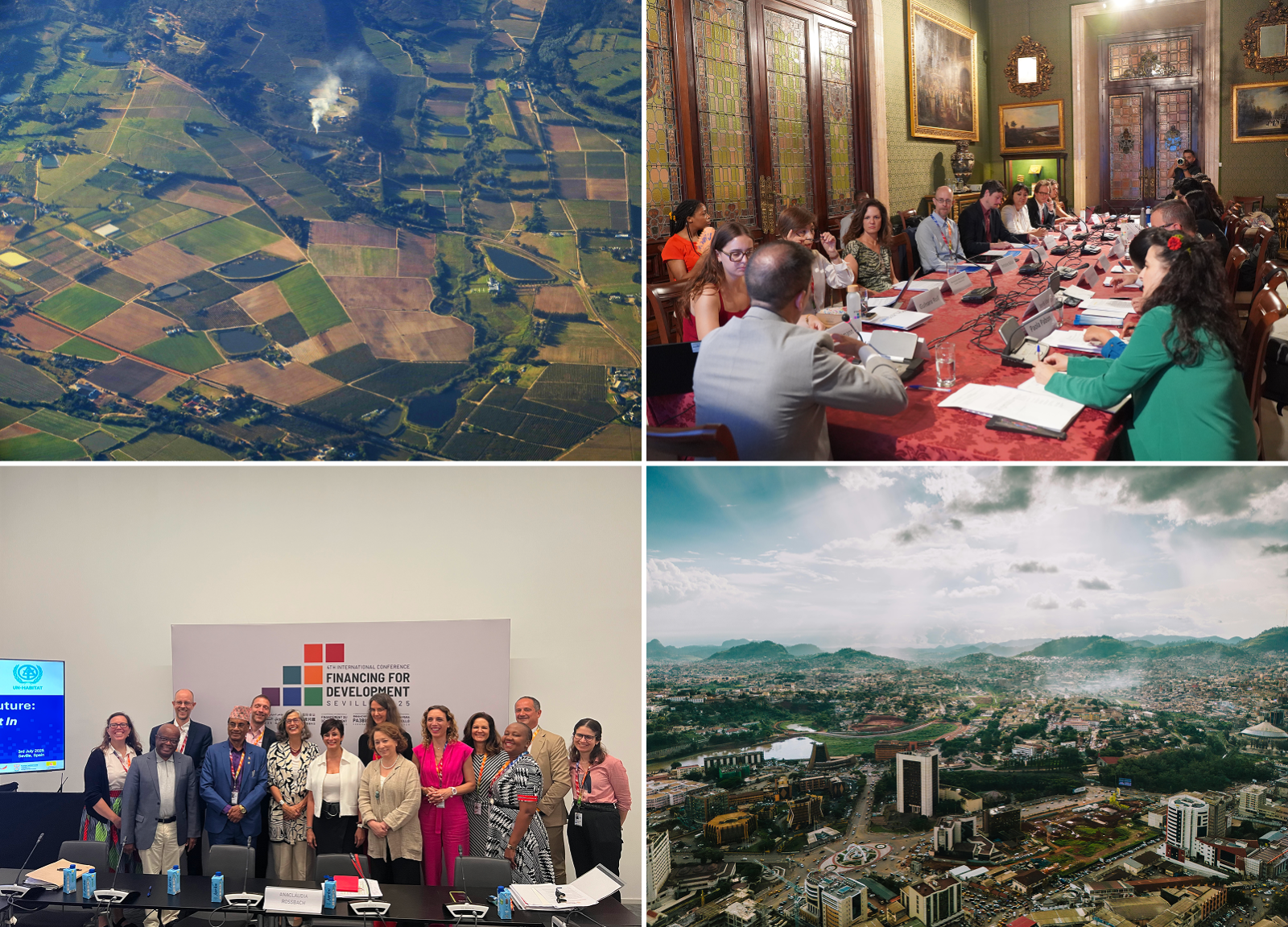
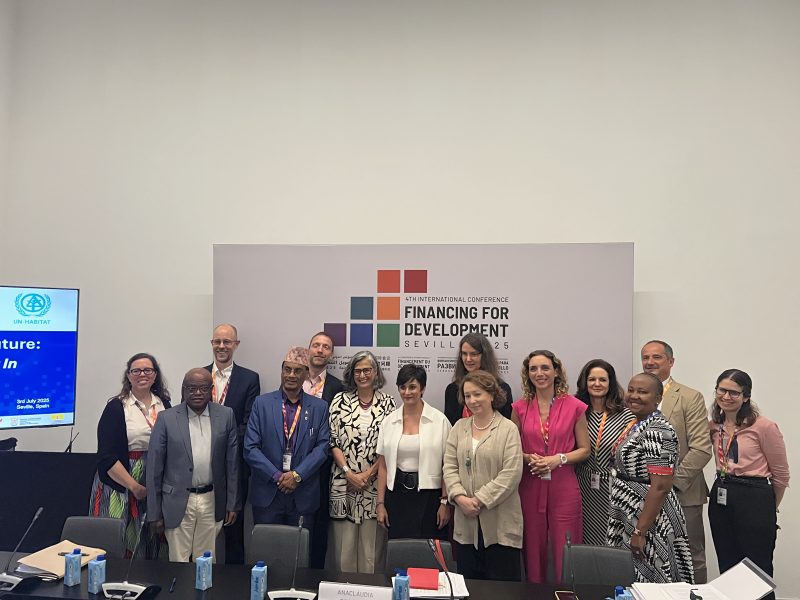
Given the rapidly evolving global financial landscape, LoGRI has helped raise the prominence of subnational and property tax in the international financing for development (FfD) debates through various publications, event organization and participation, and engagement with like-minded partners and country actors. While LoGRI’s perspectives on domestic revenue mobilization were reflected in high-level conference outcome documents, specific commitments related to property tax were absent.
Related Publications


The extent of LoGRI’s “delivery” was determined by how advanced LoGRI or its partners’ activities were on each ideation strand. “Impact” was defined as the degree of uptake of LoGRI’s ideation agendas, assessed against the challenges and issues LoGRI seeks to address. This was measured by LoGRI’s progress in shaping field-wide positioning, evidenced by tangible reforms and by how its research and messaging resonated with country and global partners.
Reports
Annual Reports


This page is based on the findings of an independent impact evaluation assessing the results and impact of LoGRI’s partnerships, physical and digital knowledge reach, country-level reform, and uptake of ideas for the 2021 to 2025 period, informed by comprehensive document review and interviews with 54 participants.